
10 Diet Mistakes Keeping You From Weight Loss Success
You’re doing everything right, aren’t you? Eating less, moving more, maybe even giving up your favorite foods. Yet the scale barely budges, and after weeks of effort, frustration starts creeping in. Sound familiar?
The truth? You’re probably not failing because you lack willpower. You’re likely falling into one of the most common—and surprisingly fixable—diet mistakes that thousands of people make every single day. The good news is that once you identify what’s holding you back, weight loss becomes far less complicated.
I’ve worked with countless people struggling to lose weight, and the patterns are unmistakable. Most folks aren’t just “eating too much.” They’re caught in specific traps that undermine their efforts, often without realizing it. This article breaks down the 10 biggest diet mistakes I see, why they happen, and most importantly, how to fix them.
Why Your Diet Isn’t Working: Understanding the Real Obstacles
Before we dive into specific mistakes, let’s understand something fundamental: sustainable weight loss isn’t about perfection. It’s about consistency and strategy. Your body didn’t gain weight overnight, and it won’t lose weight overnight either. That’s not a failure—that’s biology.
The challenge is that most diet advice out there is either too restrictive or too vague. You get conflicting information—one source says breakfast is essential, another says skip it entirely. One diet swears by low-fat, another by low-carb. No wonder people are confused.
What makes this worse is that many common “rules” people follow actually work against them. They slow metabolism, trigger cravings, or just make life miserable enough that adherence becomes impossible. And here’s what nobody talks about: the best diet is the one you can actually stick with.
Let’s fix this. Here are the 10 mistakes you need to know about.

Mistake #1: Drastically Cutting Calories Too Aggressively
This one’s seductive because it seems logical: fewer calories in, more weight lost, right? Well, not exactly.
When you slash calories too drastically—say, dropping from 2,200 to 1,400 daily—your body doesn’t cooperate. Your metabolism adapts. Hormones that regulate hunger increase. Energy dips. Mood suffers. Suddenly, that restrictive approach isn’t just uncomfortable; it’s working against you.
What’s actually happening: Your body shifts into “survival mode,” prioritizing energy conservation. Leptin (your satiety hormone) drops significantly, making you hungrier. Meanwhile, cortisol (your stress hormone) climbs, which paradoxically encourages your body to hold onto fat, especially around the midsection.
The fix: Create a modest caloric deficit instead—around 300-500 calories below maintenance. This is aggressive enough to produce steady weight loss (roughly 0.5-1 pound per week) but sustainable enough that you don’t feel like you’re white-knuckling through every meal.
Mistake #2: Getting Protein Intake Wrong
Most people unknowingly eat too little protein when dieting. This is a silent killer for weight loss goals.
Here’s why protein matters: it’s the most satiating macronutrient. Protein keeps you fuller longer, which means fewer cravings and less overeating. It also preserves muscle mass while you’re losing weight—and muscle tissue is metabolically active, meaning it burns calories even at rest.
Protein also has a higher thermic effect (your body burns more calories digesting it compared to carbs or fat). So more protein means more calories burned just through normal digestion.
The fix: Aim for 0.7-1 gram of protein per pound of body weight daily. If you weigh 160 pounds, that’s roughly 115-160 grams. Include protein at every meal: eggs, Greek yogurt, chicken, fish, legumes, cottage cheese. This single change often makes weight loss significantly easier without additional restriction.
Mistake #3: Eating Too Frequently (or Not Frequently Enough)
The “eat every 2-3 hours” advice has been beaten into our heads for decades. Supposedly it “keeps metabolism revved” and “prevents overeating.” The reality? It’s more nuanced.
There’s no magic in meal frequency itself. Your total calorie intake matters far more than when you eat. However, eating too frequently can actually backfire. If you’re snacking every few hours, you might be consuming more calories overall because you’re never fully satisfied by a meal.
Conversely, eating too infrequently can leave you ravenous and more prone to overeating when you finally do eat.
The fix: Find your rhythm. Some people thrive on three meals. Others do better with smaller, more frequent meals. The key is choosing a pattern where you feel satisfied between eating times and can stick with it consistently. This isn’t about following someone else’s schedule—it’s about what works for your hunger and lifestyle.
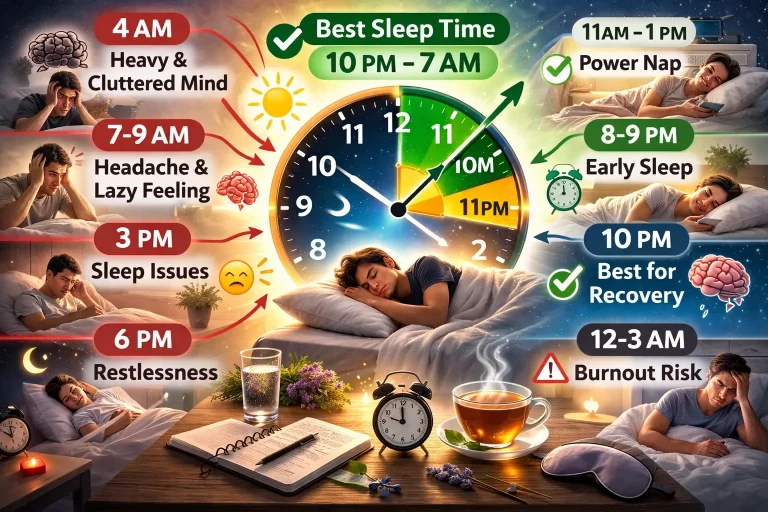
Mistake #4: Neglecting Sleep (And Not Taking Stress Seriously)
Here’s something most diet articles skip over: your nighttime sleep quality directly impacts weight loss potential.
When you’re sleep-deprived, two things happen. First, ghrelin (hunger hormone) surges while leptin crashes, making you hungrier the following day. Second, poor sleep increases cortisol, which signals your body to hold onto fat reserves. You’re essentially fighting your own hormones.
Chronic stress adds another layer. High cortisol from ongoing stress makes weight loss harder and makes your body preferentially store fat in the abdominal area. You can’t out-diet stress.
The fix: Prioritize 7-9 hours of consistent sleep. Create a nighttime routine: no screens 30 minutes before bed, keep your room cool and dark, go to bed at the same time nightly. Address stress through movement, meditation, time in nature, or therapy if needed. These aren’t luxuries—they’re foundational to weight loss.
Mistake #5: Underestimating Portion Sizes and Hidden Calories
Most people significantly underestimate how much they’re eating. Studies consistently show this. A serving of olive oil looks small but contains 120 calories. Nut butter is calorie-dense. Dressings, sauces, and “healthy” snacks add up fast.
You might be in a caloric deficit according to your estimates, but your actual intake is higher. The scale won’t move because the math doesn’t work—and then you blame your metabolism.
The fix: Use a food scale for one week, even if it feels tedious. Weigh common foods you eat regularly. This isn’t about obsessive tracking forever—it’s about calibrating your internal sense of portions. After that week, you’ll have a much better feel for what a real serving looks like. Then, continue tracking either with a scale or a food tracking app, but be honest about portion sizes.
Mistake #6: Not Drinking Enough Water
This is almost too simple to mention, yet it works.
Mild dehydration mimics hunger signals, leading people to eat when they’re actually just thirsty. Additionally, staying hydrated supports metabolic function and helps your kidneys process the breakdown products of fat loss.
There’s also the “water before meals” effect: drinking water before eating reduces overall meal intake slightly, simply because there’s less physical room for food.
The fix: Drink at least half your body weight in ounces daily, more if you exercise. So if you weigh 160 pounds, aim for 80 ounces. Yes, you’ll visit the bathroom more—that’s not a problem, that’s the system working.
Mistake #7: Choosing Low-Fat Everything
The 1980s were rough for dietary advice, and we’re still recovering from the “fat is the enemy” mentality.
Low-fat products seem healthy until you read the label. Manufacturers remove fat and add sugar to make them palatable. The result? Higher calorie counts, worse satiety, blood sugar spikes, and more cravings. Low-fat yogurt, for instance, often contains as much sugar as dessert.
Fat is calorie-dense, but it’s also satiating and crucial for hormone production and nutrient absorption. Including healthy fats actually helps with weight loss.
The fix: Don’t fear fat. Prioritize whole, unprocessed foods: avocados, nuts, seeds, olive oil, fatty fish. If you’re buying packaged foods, check the ingredient list before the nutrition label. Real food trumps optimized “diet food” every time.
Mistake #8: Imbalanced Exercise (Or No Exercise At All)
Let me be clear: you can lose weight without exercise. You cannot optimize it without movement.
Many people approach exercise wrong. They do excessive cardio, hoping to “earn” the right to eat more. Cardio does burn calories, but it can also increase hunger and doesn’t preserve muscle mass. Meanwhile, they neglect strength training, which builds muscle and increases resting metabolic rate.
The ideal combination? Moderate cardio plus consistent strength training. The strength training preserves muscle (which burns calories at rest), and the movement increases overall daily activity.
The fix: Do 150 minutes of moderate cardio per week (walking, cycling, swimming) and add 2-3 strength training sessions. You don’t need to become a gym rat. This is about balance and sustainability.
Mistake #9: Being Too Restrictive (Complete Food Exclusion)
Tell someone they can never have pizza again, and suddenly pizza becomes the most desirable food in the universe.
Restriction creates psychological deprivation, which fuels cravings and eventually leads to binge eating. You might white-knuckle through two weeks of strict discipline, then completely derail because the mental burden becomes unbearable.
The irony? People who allow themselves modest portions of foods they enjoy actually lose more weight long-term because they can stick with their approach.
The fix: Use the 80/20 principle. Eat nutritious, whole foods 80% of the time. The remaining 20% can include foods you genuinely enjoy. This isn’t a license to binge—it’s permission to be human. You can have a slice of pizza and still lose weight when the rest of your diet is solid.
Mistake #10: Only Tracking Weight (And Ignoring Other Metrics)
The scale is useful, but it’s not the whole story. Water retention, muscle gain, hormonal fluctuations, and digestive content all affect daily weight fluctuations. Some weeks you’ll lose fat but gain muscle, so the scale stays flat while your body composition improves.
People obsessed with daily scale weight often get demoralized by normal fluctuations and abandon their efforts prematurely.
The fix: Track multiple metrics. Weigh yourself weekly (same day, same time, then average it over the month). Also measure waist circumference, take progress photos, notice how clothes fit, and assess energy levels. These indicators often show progress when the scale doesn’t.
Building Your Sustainable Weight Loss Strategy
Now that we’ve identified the mistakes, how do you actually implement changes?
Start with one or two adjustments, not all ten simultaneously. If your protein intake is low, fix that first. Once it’s a habit (usually 3-4 weeks), tackle the next mistake.
Track one thing seriously. Pick either calories or protein—whichever feels most relevant to your situation—and track it consistently for at least a month. You need baseline data to know what’s working.
Be patient with the process. Sustainable weight loss is 0.5-1 pound per week. That’s roughly 2-4 pounds monthly. In six months, that’s 12-24 pounds. Most people trying to lose weight are impatient, not incapable.
Adjust by feedback, not by hope. After 3-4 weeks, assess progress. If nothing’s moving, create a slightly larger deficit or increase protein. If you’re losing too fast and feeling terrible, eat more. Your approach should evolve based on real results.
Expert Tips for Maximizing Weight Loss Success
1. Use the “habit stacking” approach. Attach new behaviors to existing ones. Drink water with every meal. Do strength training the same days you do cardio. This makes changes stick.
2. Plan for obstacles. You’ll face social meals, stressful weeks, and moments of weakness. That’s not failure—that’s life. Plan how you’ll handle these situations before they happen.
3. Focus on additions, not just subtractions. Yes, reduce calorie-dense foods, but also add nutritious ones. More vegetables, more water, more movement. This frames it as abundance, not deprivation.
4. Get a support system. Whether it’s a friend, an online community, or a coach, accountability matters. Knowing someone else is tracking their progress makes you more consistent.
5. Revisit your “why.” Why do you actually want to lose weight? Be specific. “To be healthier” is vague. “To have energy to play with my kids without getting winded” is powerful. When motivation dips, return to your why.
Common Advanced Mistakes to Avoid
Intermittent fasting without a caloric deficit: Timing doesn’t matter if you overeat during your eating window.
Exercise compensation: Burning 400 calories through exercise, then eating 600 extra calories because you’re hungry. The deficit disappears.
Supplement reliance: No pill replaces consistency. Green tea extract, fat-burners, and metabolism boosters are noise compared to the fundamentals.
Perfect vs. progress: Waiting for the perfect time to start, or abandoning efforts after one imperfect day. Progress beats perfection every single time.
FAQ:
Q: How long until I see results?
A: Initial weight loss (often water) appears in 1-2 weeks. Noticeable body composition changes typically take 4-6 weeks. Significant transformation requires 3-6 months of consistency. Patience is a superpower here.
Q: Can I lose weight without counting calories?
A: Technically yes, if you naturally eat less. But most people benefit from tracking—not forever, but long enough to understand their intake patterns. Think of it as learning, not punishment.
Q: Is my metabolism really broken?
A: Probably not. Most people have normal metabolisms. What they have is inaccurate food intake estimates or insufficient adherence to their plan. Get professional testing if you suspect metabolic issues.
Q: Should I do cardio or weights for weight loss?
A: Both. Strength training preserves muscle and increases resting metabolic rate. Cardio burns calories. Together, they’re synergistic.
Q: How much protein do I really need?
A: For weight loss, 0.7-1 gram per pound of body weight is ideal. This preserves muscle, increases satiety, and supports metabolism.
Q: Is it okay to have cheat meals?
A: Yes, if they’re planned and reasonable. A cheat meal (not a binge day) every 1-2 weeks fits fine into a sustainable approach. The 80/20 rule works for most people.
Q: Why do I gain weight back after dieting?
A: Usually because people return to old habits, not because of metabolic damage. Additionally, rapid weight loss followed by returning to previous calories makes regain likely. Gradual changes are more likely to stick.
Q: Can menopause or hormonal issues stop weight loss?
A: Certain conditions (hypothyroidism, PCOS) do make weight loss harder, but not impossible. If you suspect hormonal issues, get tested. Even with these conditions, the fundamentals (deficit, protein, sleep) still apply.
Q: How do I stop emotional eating?
A: Identify the emotion first. Develop non-food coping mechanisms: take a walk, journal, call a friend. You won’t eliminate emotional eating, but you can reduce it.
Q: What if I have dietary restrictions (vegetarian, allergies, etc.)?
A: The principles remain the same. Your protein sources might differ, but the macronutrient ratios and caloric deficit still matter. Work with a registered dietitian for personalized guidance.