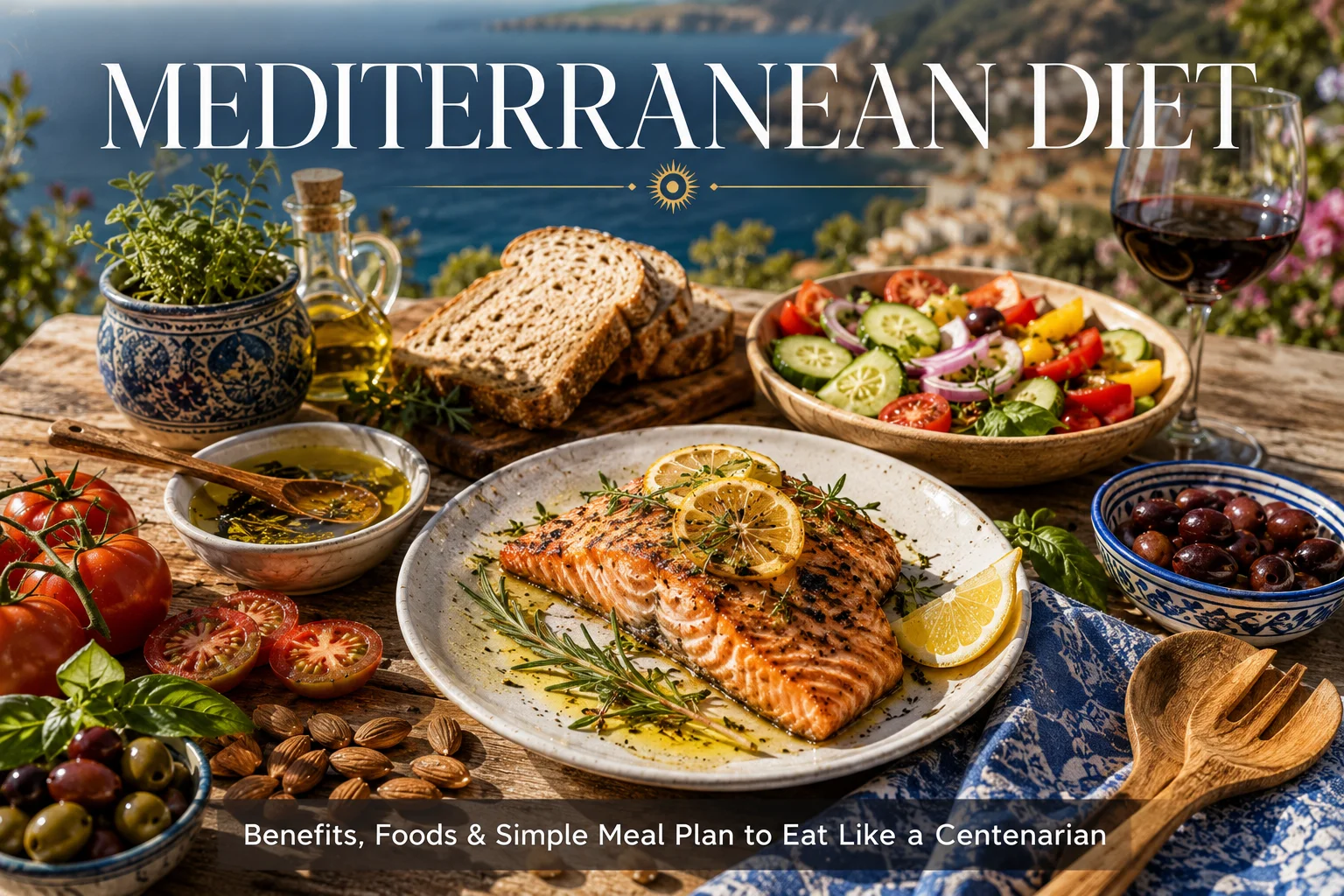
Mediterranean Diet: Benefits, Foods & Simple Meal Plan
There’s something almost magical about the Mediterranean Sea. For centuries, the people living along its shores—in Greece, Italy, Spain, and beyond—have enjoyed some of the longest lifespans and lowest rates of chronic disease in the world. It’s not luck or genetics alone. It’s how they eat.
The Mediterranean diet isn’t some trendy approach dreamed up by Silicon Valley health gurus. It’s a living, breathing pattern of eating that has sustained entire populations for thousands of years. And here’s what makes it different from every other diet you’ve probably tried: it actually tastes good, fills you up, and you can stick with it for life.
If you’re tired of restrictive diets that leave you hungry and miserable, or confused by contradicting nutritional advice, this guide will show you exactly what the Mediterranean diet is, why it works, and how to start eating this way today.
What Exactly Is the Mediterranean Diet?
The Mediterranean diet isn’t a formal diet plan with rigid rules or a points system. Instead, it’s a flexible eating pattern inspired by the traditional foods consumed by people living in Mediterranean countries—particularly Greece, Italy, southern Spain, and parts of Portugal and Turkey.
The term “Mediterranean diet” was first popularized by researchers in the 1960s who noticed that people in these regions had remarkably low rates of heart disease compared to Americans, despite consuming more fat. They investigated why and discovered it wasn’t about eating less fat—it was about eating the right kinds of fat, along with plenty of whole grains, legumes, vegetables, and moderate amounts of fish.
What sets it apart from typical “healthy eating” advice is that it emphasizes quality of life, food enjoyment, and sustainable habits rather than deprivation and rapid results. Meals are meant to be savored, often shared with family and friends, and based on seasonal, locally-sourced ingredients.
The Core Philosophy: It’s About More Than Food
Before we dive into specific foods, understand this: the Mediterranean lifestyle isn’t just a list of what to eat. It includes regular physical activity, strong social connections, adequate sleep, and stress management. The diet is one pillar of a holistic approach to health.
That said, food is absolutely central. The Mediterranean way emphasizes whole, minimally processed foods that have been used for centuries. It’s about returning to eating patterns that human bodies evolved to thrive on.
The Science Behind Why It Works
The Mediterranean diet has been studied more extensively than almost any other eating pattern. The evidence is compelling.
Heart Disease Prevention
The most robust evidence supports the Mediterranean diet’s ability to prevent heart disease. The landmark PREDIMED study (Prevention with Mediterranean Diet) followed over 7,000 high-risk participants for years. The results were striking: people following a Mediterranean diet had a 30% lower risk of major cardiovascular events compared to those on a low-fat diet.
Why? The diet reduces inflammation (a primary driver of heart disease), improves cholesterol profiles, helps regulate blood pressure, and supports healthy blood vessel function. The monounsaturated fats from olive oil, the omega-3 fatty acids from fish, and the polyphenols from vegetables and whole grains all play protective roles.
Weight Management
Contrary to what you might expect from a diet that includes olive oil and nuts, the Mediterranean approach supports healthy weight management. The high fiber content keeps you satisfied longer, the protein from fish and legumes builds lean muscle, and the focus on nutrient-dense foods means you feel fuller on fewer calories.
You’re not counting calories obsessively or eating tiny portions. You’re eating real, satisfying food that happens to support a healthy weight.
Longevity and Disease Prevention
Research consistently shows that people following Mediterranean eating patterns live longer, with lower rates of type 2 diabetes, certain cancers, cognitive decline, and Alzheimer’s disease. A study in the American Journal of Clinical Nutrition found that strict adherence to a Mediterranean diet was associated with a 19% lower mortality risk.
Brain Health
The Mediterranean diet appears particularly beneficial for brain function. The MIND diet (Mediterranean-DASH Intervention for Neurodegenerative Delay) combines Mediterranean and DASH diet principles and has shown promise in slowing cognitive decline and reducing Alzheimer’s risk by up to 53% in some studies.
What You’ll Actually Eat: The Foods That Matter
Now for the practical part—what does a Mediterranean diet actually look like on your plate?
The Foundation: Vegetables and Whole Grains
About half your plate should be vegetables—and the Mediterranean approach emphasizes variety and seasonality. Think:
- Leafy greens (spinach, kale, arugula)
- Tomatoes (fresh and canned)
- Cucumbers and bell peppers
- Eggplant and zucchini
- Broccoli, cauliflower, Brussels sprouts
- Root vegetables like carrots and beets
- Onions and garlic
Whole grains form another pillar:
- Whole wheat bread
- Brown rice
- Quinoa
- Oats
- Barley
- Farro
The emphasis is on whole grains, not refined carbohydrates. These provide sustained energy, fiber, and essential nutrients.
Proteins: Fish, Legumes, and Poultry
Fish appears 2-3 times per week, with emphasis on varieties rich in omega-3 fatty acids:
- Salmon
- Sardines
- Mackerel
- Trout
- Herring
- Tuna
Legumes are eaten several times weekly and provide both protein and fiber:
- Lentils
- Chickpeas
- Beans (black, white, kidney)
- Peas
Poultry is consumed in moderate amounts, and red meat is limited to a few times per month. This isn’t because red meat is “bad”—it’s about prioritizing the foods with the strongest evidence for health benefits.
Healthy Fats: The Cornerstone
This is where the Mediterranean diet differs most from low-fat diet trends. Healthy fats are celebrated and encouraged.
Olive oil is the primary fat source. Extra virgin olive oil (which retains beneficial polyphenols) is used generously in salads, for light cooking, and as a finishing oil. Most Mediterranean eaters use 2-3 tablespoons daily.
Nuts and seeds appear regularly: almonds, walnuts, sunflower seeds, and sesame seeds provide healthy fats, protein, and minerals.
Olives are eaten as snacks or incorporated into meals, providing antioxidants and monounsaturated fats.
Dairy: Moderate and Intentional
Cheese and yogurt are consumed regularly, but in smaller portions than typical American diets. The focus is on quality—aged cheeses with strong flavors are preferred, so a little goes a long way.
Yogurt, often unsweetened or Greek yogurt, is a staple breakfast food in many Mediterranean regions.
Fruits: Nature’s Dessert
Fresh fruit is the typical dessert—apples, pears, oranges, grapes, berries, and melons. They’re usually eaten whole, providing fiber along with vitamins and antioxidants. This keeps the focus on naturally sweet whole foods rather than refined desserts, though enjoying dessert occasionally is acceptable.
Herbs and Spices Over Salt
Mediterranean cooking relies on herbs and spices for flavor: oregano, basil, rosemary, thyme, garlic, lemon, and paprika. This keeps sodium intake low while maximizing flavor and phytonutrient content.
Foods to Limit or Avoid
The Mediterranean diet isn’t about prohibition, but certain foods are consumed rarely or not at all:
- Refined grains and processed carbohydrates (white bread, pastries, sugary cereals)
- Added sugars (sodas, candy, sweetened desserts—fresh fruit is the dessert)
- Processed meats (bacon, hot dogs, sausage, deli meats)
- Unhealthy oils (vegetable oil, canola oil for high-heat cooking—olive oil is used for lower-temperature cooking)
- Highly processed foods in general
Alcohol, particularly red wine, is optional and can be consumed in moderation with meals. About one 5-ounce glass of wine daily for women, up to two for men, is considered moderate.
The Major Health Benefits You Can Expect
Heart Health and Reduced Disease Risk
This is the most proven benefit. The Mediterranean diet improves nearly every marker of cardiovascular health: it lowers LDL cholesterol, increases HDL cholesterol, reduces triglycerides, lowers blood pressure, and reduces inflammation.
If you have a family history of heart disease or have been told you have high cholesterol, the Mediterranean diet provides real, evidence-based protection.
Weight Loss and Maintenance
While not a quick-fix diet, the Mediterranean approach supports steady, sustainable weight loss. Most people lose 5-10 pounds within a few months without the constant hunger of restrictive diets.
The protein, fiber, and healthy fats create satiety—you feel genuinely satisfied after meals. You’re not fighting constant cravings or willpower.
Better Blood Sugar Control
The emphasis on whole grains, fiber, and balanced meals helps stabilize blood sugar. This is particularly beneficial for people with prediabetes or type 2 diabetes. Some studies show improvements comparable to medication.
Mental Health and Cognitive Function
Beyond physical health, the Mediterranean diet has been linked to better mental health outcomes. Studies show associations with lower rates of depression and anxiety, likely due to reduced inflammation and better nutrient status.
The social aspect of Mediterranean eating—sharing meals with loved ones—also contributes to mental wellbeing.
Inflammation Reduction
Chronic inflammation underlies most modern diseases. The Mediterranean diet, rich in anti-inflammatory compounds, addresses this root cause through:
- Omega-3 fatty acids from fish and walnuts
- Polyphenols from vegetables, whole grains, and olive oil
- Antioxidants from colorful produce
- Low refined sugar intake
Getting Started: 3 Simple Steps
You don’t need to overhaul your diet overnight. Here’s how to transition:
Step 1: Build Your Base
Start with what you already eat and make Mediterranean swaps:
- Switch to whole grain bread
- Use olive oil instead of butter or vegetable oil
- Add extra vegetables to every meal
- Buy a good quality extra virgin olive oil (this matters more than you’d think—cheap oil lacks beneficial compounds)
Step 2: Add Mediterranean Proteins
Gradually introduce fish into your meals 2-3 times weekly. If you don’t like fish, start with legumes—they’re equally valuable nutritionally.
Replace red meat with poultry or legume-based meals. This doesn’t mean eliminating red meat entirely, just reducing frequency.
Step 3: Make It Enjoyable
The Mediterranean diet isn’t about eating “clean” or punishing yourself. It’s about discovering foods you genuinely enjoy. Try new vegetables at farmers markets. Experiment with herbs. Taste different olive oils.
Invite people to meals. Share recipes. The social element is integral to Mediterranean eating success.
Sample 7-Day Mediterranean Meal Plan
Monday
- Breakfast: Greek yogurt with walnuts, honey, and fresh berries
- Lunch: Mediterranean chickpea salad with tomatoes, cucumber, red onion, feta, and olive oil dressing
- Dinner: Grilled salmon with roasted vegetables (zucchini, bell peppers) and brown rice
Tuesday
- Breakfast: Whole grain toast topped with tomato, olive oil, and oregano; side of fruit
- Lunch: Lentil soup with spinach and whole grain crackers
- Dinner: Herb-roasted chicken breast with roasted root vegetables and quinoa
Wednesday
- Breakfast: Steel-cut oats with cinnamon, almonds, and fresh apple
- Lunch: Mediterranean vegetable wrap with hummus and olives
- Dinner: Baked white fish with lemon and herbs, steamed broccoli, and wild rice
Thursday
- Breakfast: Egg scramble with spinach, tomatoes, and whole grain toast
- Lunch: Tabbouleh salad (bulgur, parsley, tomato, lemon dressing)
- Dinner: Turkey and vegetable meatballs over whole wheat pasta with marinara sauce
Friday
- Breakfast: Greek yogurt parfait with granola and berries
- Lunch: White bean and vegetable soup with crusty whole grain bread
- Dinner: Grilled shrimp with garlic and olive oil over whole wheat pasta with roasted asparagus
Saturday
- Breakfast: Whole grain toast with avocado and poached eggs
- Lunch: Mediterranean salad with mixed greens, chickpeas, tomatoes, cucumber, feta, and olive oil
- Dinner: Herb-roasted chicken thighs with roasted sweet potatoes and green beans
Sunday
- Breakfast: Mediterranean vegetable frittata with whole grain toast
- Lunch: Minestrone soup (vegetables, beans, whole grains)
- Dinner: Baked sardines with lemon and herbs, roasted Brussels sprouts, and farro
Daily Snacks (any day): Fresh fruit, nuts, olives, whole grain crackers with hummus, or cheese
Common Mistakes People Make
1. Not Actually Using Olive Oil
People often reduce fat intake, which defeats the purpose. The Mediterranean diet includes substantial healthy fats. Use olive oil generously.
2. Skimping on Vegetables
Your plate should be primarily vegetables and whole grains, with smaller portions of protein and olive oil. If you’re not eating at least 2-3 vegetable servings per meal, adjust your portions.
3. Replacing Fish with Chicken Only
While poultry is fine, fish provides omega-3 fatty acids and unique micronutrients. Try fish at least twice weekly, even if you have to start with mild varieties like cod or tilapia.
4. Buying Cheap Olive Oil
Not all olive oil is created equal. Cheap oils often lack the beneficial polyphenols. Invest in quality extra virgin olive oil, particularly for dressings and finishing dishes. You’ll use less because the flavor is more potent.
5. Treating It Like a Diet Plan
This isn’t something you do for 12 weeks then quit. Success comes from viewing it as a lifestyle change—finding foods you genuinely enjoy and making sustainable choices. If you hate it, you won’t stick with it.
6. Not Addressing Specific Health Concerns
If you have diabetes, kidney disease, or high blood pressure, work with a healthcare provider or registered dietitian to adapt the Mediterranean approach to your specific needs.
Expert Tips for Long-Term Success
Meal Prep Strategically
You don’t need to spend hours cooking. Prep vegetables on Sunday, cook a batch of whole grains and legumes, and you’ve set yourself up for the week. Mix-and-match combinations prevent boredom.
Build Your Pantry First
Stock these essentials: good quality olive oil, canned tomatoes, beans, lentils, whole grains (brown rice, quinoa, oats), herbs, garlic, nuts, and seeds. When your kitchen supports Mediterranean eating, healthy choices become the default.
Cook More, Eat Out Less
Mediterranean eating is affordable when you cook at home but expensive at restaurants. Learning to prepare simple Mediterranean dishes gives you both health and financial benefits.
Find Your Fish
If you dislike traditional fish, explore options until something clicks. Sardines? Mackerel? Canned tuna? Shrimp? Try them all. Different preparation methods matter too—some people prefer baked, others grilled, others as part of composed dishes.
Embrace Seasonal Eating
Buy produce in season. It’s cheaper, fresher, and tastes better. It also naturally varies your diet throughout the year, ensuring you get diverse nutrients.
Don’t Go Extreme
You don’t need perfection. Follow the Mediterranean diet 80% of the time and be flexible the rest. Enjoy birthday cake, try new foods while traveling, and don’t stress about minor deviations. The goal is sustainable long-term habits, not flawless compliance.
Making the Mediterranean Diet Work on a Budget
A common misconception is that healthy eating is expensive. Mediterranean eating is actually affordable when you’re strategic.
Buy Dried Beans and Lentils
These cost pennies and provide more protein per dollar than almost any food. Cook a big batch and portion them out. You’ve got meals for days.
Choose Affordable Fish
Canned sardines and mackerel are extraordinarily affordable and packed with omega-3s. Frozen fish fillets are often cheaper than fresh and equally nutritious.
Focus on Seasonal Produce
Seasonal vegetables are always cheaper. Buy whatever is on sale, learn to use it, and adjust your meals accordingly.
Buy Eggs
Eggs provide affordable, high-quality protein and work in countless Mediterranean dishes.
Skip the “Health Food” Premium
You don’t need special Mediterranean diet versions of foods. Regular whole wheat bread, canned beans, and frozen vegetables from any grocery store work perfectly.
Buy Olive Oil in Bulk
If you use a lot (and you should), buying a larger bottle of quality olive oil is more economical than small bottles.
Addressing Common Concerns and Questions
“Isn’t the Mediterranean diet high in fat and carbs?”
Yes—and that’s okay. The fats are primarily unsaturated (from olive oil, fish, nuts), which have multiple health benefits. The carbs are complex whole grains and legumes, not refined carbohydrates. When studied in people following the diet, these foods don’t cause weight gain; they support health.
“What if I’m vegetarian or vegan?”
The Mediterranean diet adapts well. Legumes, nuts, and seeds become your primary proteins. The diet is naturally heavy in plant foods, making it quite compatible with vegetarian eating.
“How long until I see results?”
Some benefits appear almost immediately. Better digestion, more stable energy, and improved satiety often appear within days. Weight loss typically becomes noticeable within 3-4 weeks. Health markers like cholesterol and blood pressure can improve significantly within months.
“Is it suitable for people with heart disease or high cholesterol?”
Yes. In fact, it’s specifically designed for cardiovascular health. If you have these conditions, work with your cardiologist or dietitian to ensure it meets your specific needs, but the Mediterranean diet is often recommended for these populations.
“I don’t like fish. Can I do this diet?”
Absolutely. While fish is ideal for omega-3s, walnuts, ground flaxseed, and chia seeds provide similar benefits. You can follow a very healthy Mediterranean approach without fish.
Conclusion: Making It Work for You
The Mediterranean diet isn’t about restriction or punishment. It’s about returning to eating patterns that human bodies evolved to thrive on—patterns that have sustained populations for thousands of years and continue to deliver remarkable health benefits today.
You don’t need a complicated points system, hunger-inducing meal replacements, or extreme willpower. You need delicious, whole foods that taste good, keep you satisfied, and support genuine health.
If you’ve tried other diets that felt unsustainable or left you miserable, give the Mediterranean approach a real chance. Start with the three simple steps outlined above. Build your pantry. Try new recipes. Share meals with people you care about.
The research is clear: this way of eating works. More importantly, it’s something you can actually stick with for life. That’s not a promise made by fad diet companies—that’s simply reality backed by thousands of years of tradition and decades of scientific evidence.
Your healthiest self isn’t waiting for some extreme intervention. It’s waiting for you to eat like people who’ve mastered longevity and wellbeing already do.
6. FAQ:
Q1: Is the Mediterranean diet effective for weight loss?
A: Yes, though weight loss tends to be moderate and steady rather than dramatic. Most people lose 1-2 pounds per week through the Mediterranean diet because of high fiber and protein content creating satiety, not through restrictive calorie counting. Studies show sustained weight loss over years, and importantly, the weight typically stays off because the diet is sustainable.
Q2: Can I follow the Mediterranean diet if I have diabetes?
A: Absolutely. The emphasis on whole grains, legumes, and fiber actually helps regulate blood sugar. The diet’s effect on improving insulin sensitivity means many people with type 2 diabetes see improvements. However, work with your healthcare provider or registered dietitian to adjust portions and carbohydrate timing based on your specific needs.
Q3: How much does it cost to follow the Mediterranean diet?
A: It can be as affordable as any diet or more expensive, depending on choices. Dried beans, legumes, eggs, frozen vegetables, and canned fish are budget-friendly staples. Splurging on quality olive oil is worthwhile, but regular grocery store versions work fine. Average food costs are typically lower than specialty diet programs.
Q4: How quickly will I notice health improvements?
A: Varies by person and health marker. Most people feel improved energy and digestion within a week. Weight loss becomes visible within 3-4 weeks. Blood pressure improvements typically appear within 2-4 weeks. Cholesterol changes and other cardiovascular benefits often require 4-8 weeks to show on lab tests.
Q5: Do I have to eliminate all red meat?
A: No. The Mediterranean approach limits red meat to a few times monthly rather than weekly, but occasional consumption is fine. The focus is on making fish, legumes, and poultry primary proteins while treating red meat as an occasional food rather than a dietary staple.
Q6: What’s the difference between the Mediterranean diet and the DASH diet?
A: They’re similar in emphasizing whole foods and vegetables, but the Mediterranean diet focuses more on healthy fats (particularly olive oil) and fish, while DASH emphasizes lower sodium and broader variety across all food groups. Many cardiologists recommend a combination approach called the Mediterranean-DASH intervention.
Q7: Is olive oil really as healthy as it seems?
A: Yes, particularly extra virgin olive oil. It contains polyphenols with anti-inflammatory properties and supports heart health. However, quality matters—look for “extra virgin,” cold-pressed oils that retain beneficial compounds. Use it for dressings and finishing rather than high-heat cooking, as heat degrades some beneficial compounds.
Q8: Can children follow the Mediterranean diet?
A: Yes, it’s appropriate for all ages. The variety of foods, balanced nutrition, and emphasis on family meals make it particularly good for children. It naturally supports healthy growth and development while establishing lifelong healthy eating patterns.
Q9: Will I feel hungry on the Mediterranean diet?
A: Most people report feeling satisfied, not hungry. The combination of fiber, protein, and healthy fats creates satiety. Portion control isn’t necessary—people typically find their natural appetite regulation improves on this diet.
Q10: What’s the best way to transition to Mediterranean eating?
A: Start with one meal per day, making Mediterranean swaps in foods you already eat. Focus first on adding foods (vegetables, whole grains, olive oil) rather than restricting. Don’t try to be perfect; even partially following the diet provides significant health benefits.
Q11: Is the Mediterranean diet expensive because of fresh produce costs?
A: Not necessarily. Buy seasonal produce (cheaper and more nutritious), frozen vegetables (just as healthy and typically cheaper), and canned tomatoes (staple in Mediterranean cooking). Fresh produce is part of it, but strategic shopping keeps costs reasonable.
Q12: How does the Mediterranean diet compare to keto or paleo?
A: All three emphasize whole foods, but Mediterranean includes whole grains and legumes, while keto severely restricts carbs and paleo avoids legumes and whole grains. Mediterranean is less restrictive and emphasizes foods humans have eaten for millennia. The Mediterranean diet has stronger evidence specifically for cardiovascular health and longevity.
7. KEY TAKEAWAYS
- The Mediterranean diet is science-backed – More research supports this eating pattern than almost any other, with proven benefits for heart health, weight management, longevity, and brain function.
- It’s flexible and sustainable – Unlike restrictive diets, the Mediterranean approach emphasizes enjoyment and can be followed for life. There’s no complex counting system or deprivation.
- The foundation is whole foods – Vegetables, whole grains, legumes, fish, olive oil, and nuts are the core foods. Processed foods are minimized.
- Quality matters over quantity – Focus on the quality of ingredients (good olive oil, fresh produce, sustainable fish) rather than strict portion control.
- Getting started is simple – Make three main changes: switch to whole grains, add olive oil, include more vegetables, and incorporate fish 2-3 times weekly.
- It’s affordable – Dried beans, frozen vegetables, canned fish, and eggs make Mediterranean eating budget-friendly compared to specialty diets.
- Results appear gradually but last – Expect steady, sustainable improvements in health markers and weight rather than dramatic quick results.
- The lifestyle component matters – Physical activity, social connections, and stress management are part of the Mediterranean approach, not just the food.