
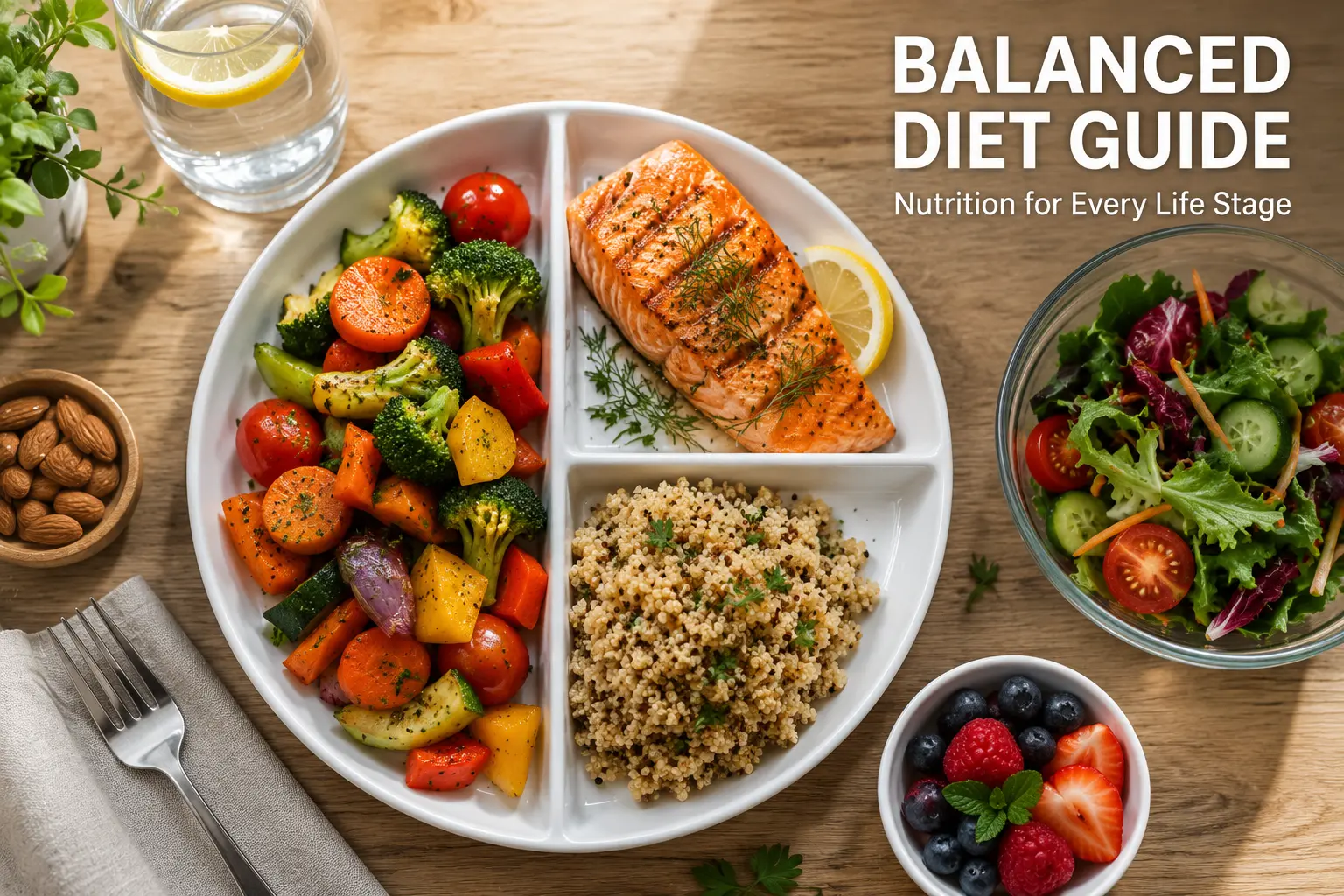
What Is a Balanced Diet? A Nutritionist’s Complete Guide
You’ve probably heard the term “balanced diet” a thousand times. Your doctor mentions it. Nutrition articles feature it. Even your mom’s texts reference it. But here’s what most people won’t admit: many of us aren’t entirely sure what it actually means, let alone how to build one.
The confusion makes sense. Nutrition advice changes constantly. One year, fat is the enemy. The next, carbs are. Meanwhile, social media serves up trending diets promising transformation in 30 days. It’s no wonder people feel lost.
The good news? A balanced diet doesn’t require a nutrition degree or restrictive rules. It’s actually more flexible and forgiving than most diet trends suggest. This guide breaks down exactly what a balanced diet is, why it matters for your health, and—most importantly—how to build one that fits your real life.
What Does “Balanced Diet” Actually Mean?
At its core, a balanced diet means eating a variety of foods in appropriate proportions so your body gets the nutrients it needs to function optimally. That’s it. No mystery. No magic.
When nutritionists talk about balance, we’re thinking about three things:
Variety. Your body requires dozens of different nutrients—vitamins, minerals, amino acids, healthy fats, and more. No single food contains everything you need. That’s why eating many different foods matters.
Proportions. Getting enough nutrients means eating the right amounts of each food group. Too little, and you miss out. Too much, and you consume excess calories that don’t serve your body.
Sustainability. A balanced diet isn’t a sprint. It’s how you eat most days, most weeks. This is why rigid perfection fails. Balance includes flexibility, enjoyment, and foods that actually taste good to you.
Modern dietary guidelines—whether from the USDA, WHO, or other health organizations—all reach similar conclusions: a balanced diet prevents chronic diseases, maintains healthy body weight, provides sustained energy, and supports mental health.
The research is compelling. People who eat balanced diets have lower rates of heart disease, type 2 diabetes, certain cancers, and obesity. They typically have more stable energy levels, better sleep quality, and improved mood. That’s not coincidence. That’s your body responding to proper fuel.
The Five Essential Food Groups: What Your Body Needs
Think of food groups as different departments in a factory. Each provides specific services. A balanced diet draws from all departments.
Fruits: Nature’s Nutrient Powerhouses
Fruits provide natural sugars, fiber, vitamins, and minerals—especially vitamin C, potassium, and various antioxidants that protect your cells.
Why they matter: The fiber in fruit supports digestive health and helps stabilize blood sugar. The antioxidants fight inflammation. The potassium supports heart health.
Daily recommendation: Most adults should eat about 1.5 to 2 cups of fruit daily. That might be one medium apple, a banana, a cup of berries, or an orange.
Pro tip: Fresh fruit is nutritious, but frozen and canned count too. Frozen berries are nutritionally equivalent to fresh—sometimes more so, since they’re frozen at peak ripeness. Just check canned varieties for added sugar.
Variety matters: Different colored fruits offer different benefits. Red apples and strawberries contain lycopene. Bananas provide potassium. Oranges deliver vitamin C. Blueberries offer anthocyanins. Aim for a rainbow on your plate.
Vegetables: The Nutritional MVp
Vegetables are perhaps the most nutrient-dense foods available. They’re packed with vitamins, minerals, fiber, and phytonutrients while being relatively low in calories.
The different types:
- Leafy greens (spinach, kale, lettuce): exceptional sources of iron, calcium, and vitamins
- Cruciferous vegetables (broccoli, cauliflower, Brussels sprouts): contain compounds linked to cancer prevention
- Orange vegetables (carrots, sweet potatoes, squash): rich in beta-carotene
- Legumes/beans (technically fruits, nutritionally vegetables): protein and fiber powerhouses
- Other vegetables (peppers, tomatoes, cucumbers, zucchini): diverse nutrient profiles
Daily recommendation: Aim for 2.5 to 3 cups of vegetables daily. That’s roughly what fits on half your plate at lunch and dinner.
The real talk: Raw versus cooked doesn’t matter nutritionally—both count. Cooking actually increases the bioavailability of some nutrients (like lycopene in tomatoes). The best vegetable is the one you’ll actually eat.
Budget-friendly approach: Frozen vegetables are cheaper than fresh, last longer, and are frozen at peak nutritional value. Buy what’s in season. Shop sales and meal plan around what’s discounted.
Whole Grains: Energy and Fiber
Grains are seeds from grass-like plants. They provide carbohydrates (your brain’s preferred fuel), B vitamins (energy metabolism), and fiber (digestive health). The key word is “whole.”
Whole grains vs. refined grains: A whole grain includes the bran (fiber), germ (nutrients), and endosperm (starch). Refined grains remove the bran and germ, stripping away much of the nutritional value. Whole grains keep everything.
Common whole grains:
- Oats
- Brown rice
- Whole wheat bread and pasta
- Quinoa
- Barley
- Millet
- Farro
Daily recommendation: About half your grains should be whole grains. This means 3-4 servings of whole grains daily for most adults. One serving is one slice of whole grain bread, half a cup of cooked brown rice, or a cup of whole grain cereal.
Practical tip: Read labels carefully. “Made with whole grains” doesn’t mean it’s entirely whole grains. Look for “100% whole grain” or check that whole grain appears as the first ingredient.
Protein: Building Blocks for Everything
Protein builds and repairs muscles, creates enzymes, produces hormones, and supports immune function. Your body needs it constantly.
The misconception: People often think protein equals meat. Actually, protein sources include:
- Lean meats (chicken, turkey, beef)
- Fish and seafood
- Eggs
- Dairy (Greek yogurt, cottage cheese)
- Plant-based sources (beans, lentils, tofu, tempeh, nuts, seeds)
- Protein-rich grains like quinoa
Daily recommendation: Most adults need 0.8 grams of protein per kilogram of body weight. That’s roughly 50-65 grams daily for average adults, though athletes and older adults might need more.
The variety principle: Different proteins offer different nutrients. Fish provides omega-3 fatty acids. Red meat provides iron and B12. Beans provide fiber and nutrients meat doesn’t. Nuts provide healthy fats. Rotate your sources.
Budget angle: Eggs are one of the cheapest, most complete proteins. Beans and lentils provide protein for pennies. Ground meats stretch further than whole cuts. Canned fish is affordable and nutritious.
Dairy or Alternatives: Calcium and More
Dairy products (milk, yogurt, cheese) provide calcium, vitamin D, protein, and other nutrients essential for bone health.
Important note: Lactose-intolerant or vegan? Fortified alternatives like soy milk, almond milk, and oat milk contain similar nutrients to dairy milk. Plain Greek yogurt, cottage cheese, and hard cheeses are naturally low in lactose.
Daily recommendation: 3 cups daily of milk or equivalent. This could be:
- One cup milk
- One 6-ounce yogurt (about a standard container)
- 1.5 ounces hard cheese (roughly the size of four dice)
Calcium sources beyond dairy:
- Fortified plant-based milks
- Canned fish with bones (salmon, sardines)
- Leafy greens (kale, bok choy, collards)
- Tofu (if prepared with calcium)
- Almonds and sesame seeds
Macronutrients: The Foundation of Balance
While food groups provide a helpful framework, macronutrients are the actual building blocks your body needs. Let’s talk about the three macros and how they work together.
Carbohydrates: Your Brain’s Fuel
Carbohydrates provide glucose, which powers your brain and muscles. They’re not the enemy—despite what some diet trends suggest.
The types:
- Simple carbohydrates: sugars that digest quickly (fruits, milk, added sugars)
- Complex carbohydrates: starches and fiber that digest slowly (whole grains, vegetables, legumes)
Complex carbs are generally better because they provide sustained energy and additional nutrients. But simple carbs from fruits and dairy are nutritious too. The problem carbs are refined sugars and ultra-processed foods.
Carbohydrate balance: Aim for about 45-65% of your daily calories from carbohydrates. For a 2,000-calorie diet, that’s roughly 225-325 grams daily. Focus on complex carbs as your main source.
Proteins: Structural Support
Proteins are made from amino acids. Your body can make some amino acids but needs nine from food (essential amino acids). Complete proteins contain all nine; incomplete proteins are missing some.
Complete proteins:
- Meat, poultry, fish
- Eggs
- Dairy
- Soy products
- Quinoa
Combining incomplete proteins (mixing beans with rice, for example) creates a complete protein. You don’t need to eat them simultaneously—just within the same day.
Protein balance: Aim for 10-35% of daily calories from protein. For a 2,000-calorie diet, that’s roughly 50-175 grams daily. Most people do well with moderate protein (0.8-1 grams per kilogram of body weight).
Fats: Essential and Important
Fat doesn’t make you fat. Excess calories make you fat. Your body actually needs dietary fat for hormone production, nutrient absorption, brain function, and cell structure.
The types:
- Saturated fats: animal products, coconut oil. Fine in moderation (less than 10% of calories), but excess links to higher cholesterol.
- Trans fats: artificial and some natural sources. Avoid these—they have no nutritional benefit and increase disease risk.
- Unsaturated fats: oils, nuts, seeds, avocados. These are heart-healthy fats.
Fat balance: Aim for 20-35% of daily calories from fat. For a 2,000-calorie diet, that’s roughly 44-78 grams daily. Emphasize unsaturated fats.
Practical approach: Cook with olive oil, eat fatty fish weekly, snack on nuts and seeds, include avocado, and don’t fear whole-milk yogurt or cheese in reasonable portions.
Micronutrients: The Often-Overlooked Detail
While macronutrients provide energy and structure, micronutrients (vitamins and minerals) run biochemical reactions that keep you alive. Deficiencies cause serious problems—anemia from iron deficiency, weak bones from calcium deficiency, weakened immunity from vitamin deficiency.
Key Vitamins
B Vitamins (B1, B2, B3, B5, B6, B7, B12, folate): Energy metabolism, nerve function, cell division
- Sources: whole grains, meat, dairy, leafy greens, legumes
Vitamin C: Immune support, collagen formation, antioxidant
- Sources: citrus fruits, berries, peppers, tomatoes, broccoli
Vitamin D: Calcium absorption, immune function, mood
- Sources: fatty fish, egg yolks, fortified milk, sunlight exposure
Vitamin A: Vision, immune function, skin health
- Sources: orange vegetables, leafy greens, liver
Vitamin E: Antioxidant, cell protection
- Sources: nuts, seeds, vegetable oils
Vitamin K: Blood clotting, bone health
- Sources: leafy greens, cruciferous vegetables
Key Minerals
Calcium: Bone and tooth structure, muscle function, nerve transmission
- Sources: dairy, fortified alternatives, leafy greens, legumes
Iron: Oxygen transport in blood, energy production
- Sources: red meat, poultry, fish, legumes, fortified grains, leafy greens
Zinc: Immune function, wound healing, protein synthesis
- Sources: meat, shellfish, legumes, nuts, seeds
Potassium: Heart health, blood pressure regulation, muscle function
- Sources: bananas, sweet potatoes, beans, spinach, avocado
Magnesium: Muscle and nerve function, energy production, bone health
- Sources: leafy greens, nuts, seeds, whole grains, legumes
The practical approach: Eat a variety of colorful whole foods, and you’ll get most micronutrients you need. Most adults eating a balanced diet don’t need supplements, though certain groups (vegans needing B12, those with limited sun exposure needing vitamin D) might benefit from specific supplementation. Discuss individual needs with a healthcare provider.
Portion Control Without Obsession
Understanding what a balanced diet means is one thing. Actually building it is another. This is where portion control enters—not as obsessive counting but as practical awareness.
The Plate Method
This simple visual approach removes guesswork:
- Half your plate: vegetables and fruits
- One quarter: lean protein
- One quarter: whole grains or starchy vegetables
This instantly creates balance without measuring or counting. A typical meal would be:
- Grilled chicken (palm-sized portion)
- Two cups mixed vegetables
- Half cup brown rice
- Small salad with olive oil dressing
Using Your Hand as a Guide
Your hand is proportional to your body, making it a useful measuring tool:
- Protein: palm-sized serving (thickness and length of your palm)
- Carbohydrates: cupped handful
- Vegetables: two handfuls
- Healthy fats: thumb-sized portion
Caloric Balance Basics
While a balanced diet isn’t about obsessive calorie counting, understanding your needs helps. Most women need 1,800-2,000 calories daily; most men need 2,200-2,800 calories daily. This varies based on age, activity level, and metabolism.
If weight loss is your goal, a moderate deficit of 300-500 calories below your needs creates steady weight loss. If weight gain is your goal, a surplus of 300-500 calories above your needs works. But first, build the balanced habit. The rest follows.
Building Your Personal Balanced Diet Plan
Now that you understand what balanced means, let’s build your personal approach.
Step 1: Assess Your Needs
Before planning, consider:
- Your health goals: weight management, performance, disease prevention, energy, longevity
- Your preferences: Do you like fish? Hate mushrooms? Prefer cooking or quick assembly?
- Your constraints: Budget, time, allergies, dietary restrictions, family needs
- Your lifestyle: Busy professional? Home cook? Traveling frequently?
Step 2: Choose Your Protein Sources
Pick proteins you actually enjoy. If you hate tofu, don’t force it. If you’re not a red meat person, focus on chicken, fish, and plant-based options. Aim for variety—different sources each week.
Step 3: Build in Vegetables You’ll Eat
Again, this is about what you’ll actually consume. Roasted broccoli is great, but if you hate broccoli, it’s worthless. Maybe you prefer:
- Roasted sweet potatoes and Brussels sprouts
- Stir-fried peppers and snap peas
- Salad with spinach, tomatoes, and cucumbers
- Steamed green beans
- Raw carrots and hummus
Step 4: Choose Whole Grain Options
Find whole grain varieties you enjoy:
- Whole wheat bread
- Brown rice
- Oatmeal
- Whole grain pasta
- Quinoa
- Sweet potatoes
Step 5: Plan Practical Meals
Actually write out meals you’ll eat. This removes daily decision-making and ensures balance. A simple approach:
Breakfast: Oatmeal with berries and almonds (whole grains, fruit, healthy fat) Lunch: Grilled chicken, brown rice, roasted vegetables (protein, grain, vegetables) Dinner: Salmon, sweet potato, steamed broccoli (protein, grain, vegetables) Snacks: Apple with almond butter, Greek yogurt with granola (fruit, protein, healthy fat)
Step 6: Shop Intentionally
Before shopping, write a list organized by your planned meals. Shop the perimeter of the store where whole foods live (produce, meat, dairy). Minimize processed food aisles.
Balanced Diet for Different Life Stages
Your nutritional needs shift throughout life. A balanced diet accounts for these changes.
Children and Teens
Kids need more calories and nutrients per pound of body weight than adults because they’re growing. They also need bone-building calcium, brain-developing omega-3s, and protein for growth.
Key differences:
- Slightly smaller portions but similar food types
- More frequent meals/snacks (smaller stomachs)
- Particular attention to calcium and iron
- Sugar limitation (develops tastes and prevents cavities)
Adults
For most adults, the standard balanced diet framework works. Adjustments come based on activity level, health status, and weight goals.
Pregnant and Nursing Women
Pregnancy increases calorie needs by 300-500 daily (roughly third trimester onward) and increases needs for folate, iron, calcium, and protein to support fetal development and maintain maternal health.
Nursing requires similar calorie increases as nutrients transfer to milk. Iron needs actually decrease postpartum (no menstruation initially), but nutrient demands remain high.
Older Adults
As we age, calorie needs decrease slightly (less muscle, less activity typically), but nutrient density needs increase because we need more nutrition per calorie. Older adults often need more protein (to prevent muscle loss), calcium (for bone health), vitamin B12 (absorption decreases), vitamin D (limited sun exposure), and vitamin B6.
Special Considerations and Adaptations
Real life rarely looks like textbook nutrition guidance. Let’s address practical realities.
Vegetarian and Vegan Approaches
You can absolutely eat a balanced diet without meat. The key is ensuring adequate protein and certain nutrients that are concentrated in animal products.
Vegetarian focus: Include dairy and eggs for complete proteins and B12. Add legumes, nuts, seeds, and whole grains for protein and other nutrients.
Vegan focus: Combine foods ensuring complete amino acid profiles. B12 supplementation is necessary (or fortified foods). Attention to iron, calcium, omega-3s (from flax, chia, walnuts, algae), and vitamin D is important.
Managing Food Allergies and Intolerances
The framework remains—eating from each group—but substitutions happen. Peanut allergy? Choose other nuts or seeds. Gluten intolerance? Choose certified gluten-free whole grains (oats, rice, quinoa). Dairy? Choose fortified alternatives.
The balanced diet remains achievable with thoughtful substitutions.
Budget-Friendly Balanced Eating
Balanced eating doesn’t require expensive organic produce or specialty items.
Money-saving strategies:
- Buy seasonal produce and frozen vegetables
- Buy proteins on sale and freeze them
- Choose beans and lentils (cheap, protein-rich)
- Buy generic brands (nutritionally identical)
- Bulk grains from bulk bins
- Use eggs liberally (complete protein, cheap)
- Plan meals around sales rather than whims
Athletic and High-Performance Needs
Athletes need more calories overall and often more protein (1.2-2 grams per kilogram body weight versus 0.8 for average adults). They benefit from strategic carbohydrate timing around workouts and adequate hydration.
The balanced diet framework works; the portions and timing shift based on training demands.
Managing Chronic Conditions
Diabetes, heart disease, and other conditions sometimes require modified approaches. Someone with diabetes might benefit from lower-glycemic carbs. Heart disease might involve lower saturated fat. Kidney disease might require lower protein.
Work with your healthcare provider or registered dietitian for personalized guidance. The balanced diet principle—varied whole foods in appropriate proportions—remains sound; specific adjustments address your condition.
Common Mistakes to Avoid
Understanding what balanced means is only half the battle. Let’s look at habits that derail balanced eating.
Skipping Meals
This is perhaps the most common mistake, especially breakfast. Skipping meals leads to excessive hunger, poor food choices later, and often overeating. Consistent eating patterns stabilize energy and support balanced choices.
Demonizing Entire Food Groups
People often hear something is “unhealthy” and eliminate it completely. Carbs are bad, so eliminate grains. Fat is bad, so eliminate oils. This creates imbalanced eating and often fails because it’s unsustainable.
Reality: No entire food group is inherently bad. Balance is the key.
Focusing Only on Calories
A 300-calorie protein bar is not equivalent to 300 calories of salmon and vegetables. Calorie counting ignores nutrient density. Two foods can have similar calories but vastly different nutritional impacts. Focus on nutrient quality; calories tend to take care of themselves.
Ignoring Hydration
You could eat perfectly but severely under-hydrate and experience energy crashes, poor digestion, and cognitive decline. Water participates in every bodily function. Most people need 8-10 glasses (or more if active). Thirst is a late indicator of dehydration.
All-or-Nothing Thinking
“I ate pizza for lunch, so I might as well eat poorly all day” is all-or-nothing thinking. Perfect doesn’t exist. Balance is built across many meals and many days. One meal doesn’t define your diet. Neither does one day.
Not Preparing Food
Ready-to-eat food is convenient, but often less nutritious and more expensive than basic cooking. You don’t need fancy skills—simple roasting, basic pasta, simple proteins. Spending 30 minutes on Sunday prepping cuts stress during the week.
Expert Tips for Actually Succeeding
Having knowledge is one thing. Implementation is another. Here are my hard-earned tips from years of nutrition counseling.
Start Small and Build Gradually
Don’t overhaul everything overnight. Add one vegetable you’ve never tried. Replace white bread with whole grain. Add one serving of water daily. Small, consistent changes become habits. Habits compound into transformation.
Find Flexibility Within Structure
Rigid perfection fails. But structure prevents endless decisions. “I eat from each food group daily” provides structure. “On Tuesdays I eat fish, on Wednesdays chicken” provides structure. Within that structure, choose meals and preparations you enjoy. This balances commitment with flexibility.
Prepare Foods You Actually Enjoy
This cannot be overstated. The “healthiest” food you won’t eat is worse than a less-ideal food you will. If you hate the taste, it doesn’t happen consistently. Cook foods in ways you like. If you prefer roasted vegetables to steamed, roast them. If you like fish with lemon and herbs, prepare it that way.
Track Progress Without Obsession
Don’t obsess over daily weight or daily food intake. Instead, track:
- How your clothes fit monthly
- Energy levels weekly
- Mood and sleep quality
- How you feel during workouts
- Blood work annually with your doctor
These metrics matter more than daily scale fluctuations.
Find Your Community
Food and health are social. Find others on similar journeys. A friend making the transition to balanced eating keeps you accountable. Online communities provide support. Your doctor or dietitian provides guidance. Community changes the game.
FAQ: Answers to Your Pressing Questions
1. What’s the fastest way to start eating a balanced diet?
Start today with one change. Add one vegetable to dinner or swap one beverage to water. Tomorrow, add another small change. Momentum builds faster than you’d think. There’s no “perfect starting point”—the best time to start is now.
2. How much does eating balanced actually cost?
A balanced diet doesn’t require expensive specialty items. Eggs, canned beans, frozen vegetables, seasonal produce, and basic grains are affordable. You might spend $8-12 daily on groceries for a balanced diet if you plan meals and minimize waste.
3. Can I eat balanced if I’m vegetarian or vegan?
Absolutely. Substitute animal proteins with plant-based proteins like beans, lentils, nuts, seeds, tofu, and tempeh. Ensure your carbohydrate sources include whole grains and vegetables. Monitor B12 (supplement if vegan), iron, omega-3s, and calcium to ensure adequate intake.
4. Is organic food necessary for a balanced diet?
Not at all. Conventional and organic produce both count toward balanced nutrition. Choose organic for items you eat frequently if budget allows, but don’t skip produce because it’s not organic. A conventional apple is better than no apple.
5. How do I balance my diet when eating out?
Order proteins (fish, poultry, lean meat, legumes), vegetables, and whole grains when available. Ask for dressings and sauces on the side. Request vegetable sides instead of fries. One restaurant meal doesn’t determine your diet—your eating pattern over weeks and months does.
6. What’s the difference between a “balanced diet” and a “diet” you see advertised?
Most advertised diets create extreme restriction or eliminate entire food groups. A balanced diet uses moderation and variety instead. Advertised diets promise quick results; a balanced diet provides sustainable health. Most advertised diets fail long-term; a balanced diet is sustainable because it’s not restrictive.
7. Do I really need to track macros to eat balanced?
No. The plate method and food variety create balance without tracking. Tracking macros helps some people, especially athletes or those with specific goals. But most people find intuitive balance sufficient when they eat whole foods and practice portion awareness.
8. What if I have a food I know isn’t healthy but I love?
Eat it mindfully in appropriate portions. No food is banned in a balanced diet. If you love pizza, eat pizza—just include it as part of a balanced meal pattern, not as 50% of your diet. Restriction leads to rebellion.
9. How long before I notice changes from eating more balanced?
This varies. Energy often improves within 3-5 days. Mood and sleep may improve within 1-2 weeks. Weight changes typically appear within 4-6 weeks if caloric balance supports it. Blood pressure, cholesterol, and other markers improve over months. Be patient with your body.
10. Is a balanced diet enough, or do I need supplements?
Most people eating a true balanced diet of whole foods get adequate nutrients. Certain populations benefit from supplementation: vegans need B12, older adults might benefit from vitamin D, and pregnant women need prenatal vitamins. Discuss your individual needs with a healthcare provider rather than assuming you need supplements.
Conclusion
A balanced diet isn’t mysterious. It isn’t restrictive. It isn’t all-or-nothing or impossibly complicated.
It’s simply eating a variety of whole foods from different groups in appropriate portions, consistently, in a way that fits your life. It’s prioritizing nutrient density while allowing flexibility. It’s understanding that one meal doesn’t define your diet, but patterns do.
The research is overwhelming: people who eat balanced diets feel better, perform better, and live longer. Your future self will thank you for the consistent choices you make today.
Start small. Build gradually. Find foods you enjoy. Let progress, not perfection, be your metric.
Your balanced diet doesn’t have to look like anyone else’s. It just needs to work for you. And that, my friend, is exactly how it should be.
KEY TAKEAWAYS
- A balanced diet means variety, proportion, and sustainability—not perfection or restriction.
- Eat from all five food groups daily: fruits, vegetables, whole grains, proteins, and dairy/alternatives.
- Balance macronutrients appropriately: carbohydrates (45-65%), protein (10-35%), and fat (20-35%) of daily calories.
- Micronutrients matter: vitamins and minerals run your body. Variety ensures you get them.
- Use practical tools: the plate method and hand-based portions remove guesswork.
- Your needs vary by life stage: adjust portions and nutrients for your current phase.
- Adaptations work: vegetarian, vegan, allergic, athletic—balanced eating adapts to your reality.
- Budget-friendly is possible: whole foods, planning, and simple cooking keep costs reasonable.
- Small changes compound: start with one change and build gradually.
- Consistency beats perfection: one balanced meal doesn’t matter; consistent eating patterns do.
End of Article