The Sleep Upgrade Every Busy Man Needs in 2026
Hey everyone — I’m back as the guy who spent years chasing decent sleep and finally found something surprisingly simple that worked: a good sleeping mask.
Between work pressure, gym sessions, travel, and late-night distractions, my sleep used to be a mess. Streetlights blasting through the window, hotel curtains that never fully close, or your partner watching TV at midnight — you probably know the struggle.
Funny thing is, I bought my first sleep mask out of pure desperation at an airport during a brutal work trip. Jet lagged, exhausted, cranky — I grabbed the cheapest one I could find. Didn’t expect much.
But that night? Best sleep of the trip.
Since then, I’ve tested dozens — cheap masks, premium silk ones, weighted versions, cooling masks, travel masks. Even dragged a few gym buddies into testing them too.
Here’s everything I learned so you don’t have to waste money like I did.
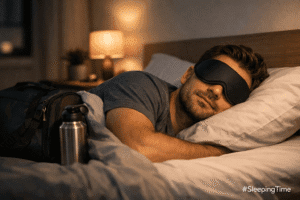
Why Sleeping Masks Matter More Than Most Guys Think
I used to think sleep masks were unnecessary. Something only light sleepers or frequent flyers needed.
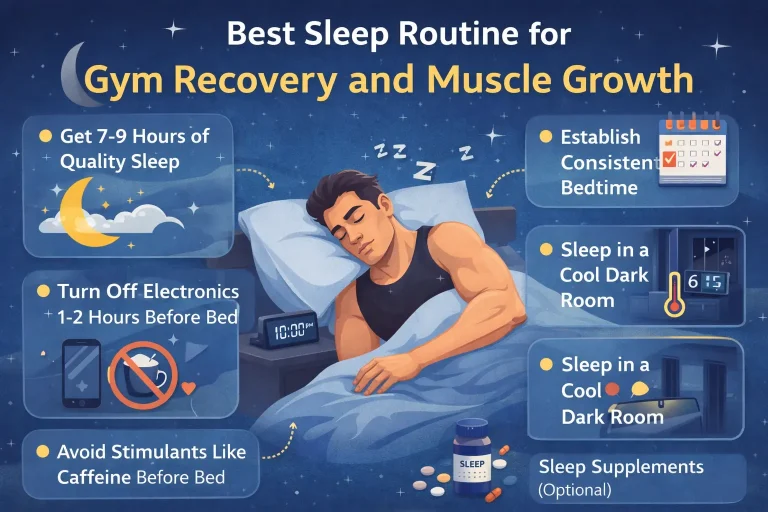
Turns out, light exposure messes with melatonin production, which directly affects:
- Muscle recovery
- Energy levels
- Workout performance
- Mood and focus
- Stress recovery
Once I switched to a proper blackout mask:
- I fell asleep faster
- Woke up less at night
- Felt refreshed in the morning
- Saw better gym recovery
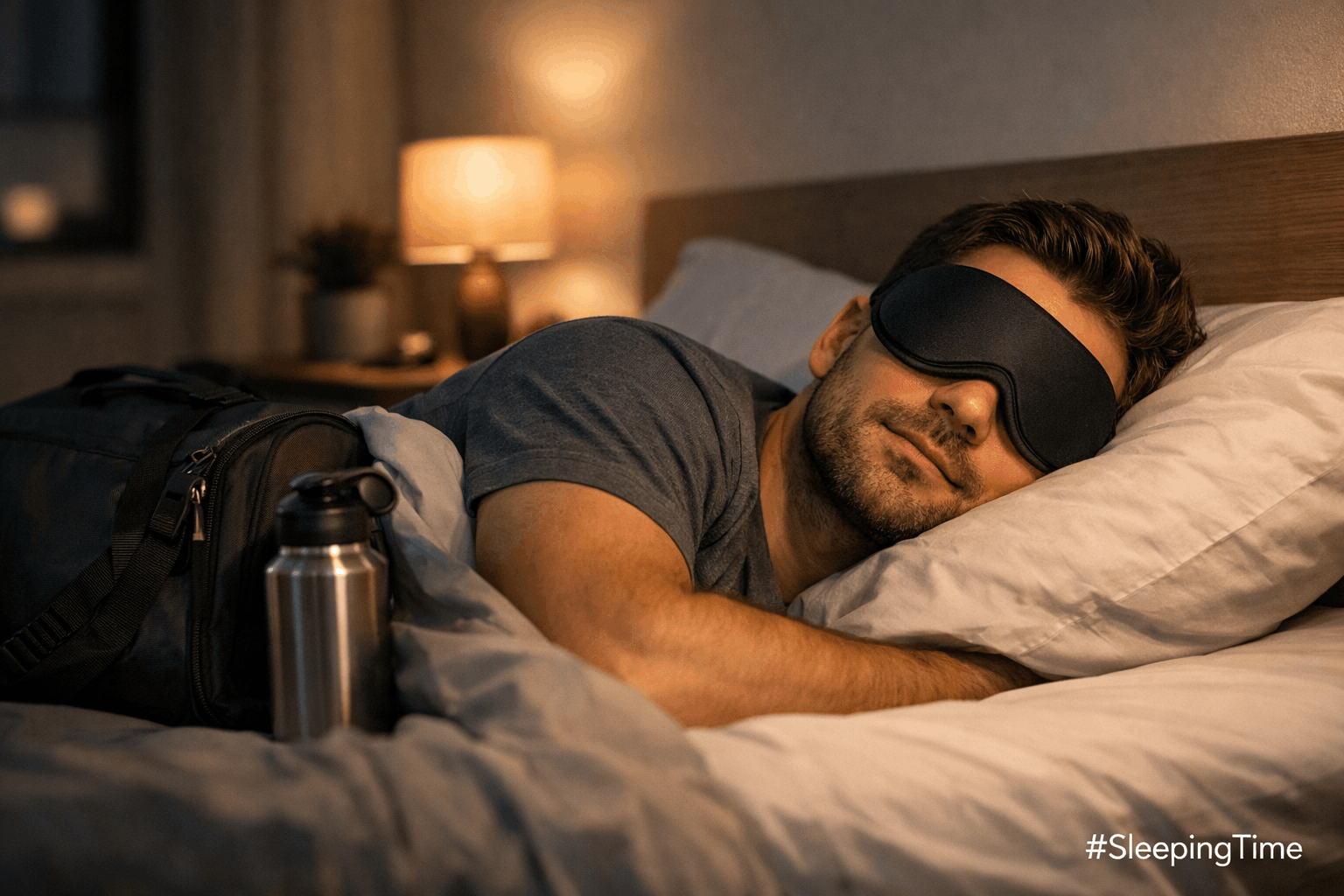
And honestly, the difference showed up in workouts too. One night after heavy leg day, I crashed with the mask on and woke up eight hours later in the exact same position — which never happens to me.
Sleep masks also help with:
- Travel and jet lag
- Daytime naps
- Shift work sleep
- Stress reduction
- Late-night screen exposure
Plus, relationship saver tip — if your partner watches shows late, you can just mask up and sleep.
Types of Sleep Masks I Tested (And What Actually Worked)
Not every mask is good. Some are honestly terrible.
1) Blackout Sleep Masks
Best place to start. Cheap, simple, effective.
Best for:
- Beginners
- Light-sensitive sleepers
- Travel
Contoured masks are much better since they don’t squash your eyes. Learned that after buying a flat one that annoyed me all night.
2) Silk Sleep Masks
Huge comfort upgrade.
Benefits:
- Breathable
- Gentle on skin
- No hair pulling
- Less sweating at night
Switching to silk during summer stopped those sweaty wake-ups for me.
3) Weighted Sleep Masks
Mixed results here.
They can help with relaxation, but personally, weighted masks aren’t always for me. Some nights they feel great; other nights they just feel heavy.
Pros
- Facial muscle relaxation
- Stress relief
- Helpful after intense days
Cons
- Not great for side sleepers
- Can feel heavy
4) Cooling & Heated Masks
Cooling masks? Lifesaver after late nights staring at screens.
Great after gym sessions or long workdays.
Cooling masks help with:
- Puffy eyes
- Screen fatigue
- Late nights
Heated masks help with:
- Headaches
- Sinus pressure
- Stress tension
5) Travel Sleep Masks
Absolute must for flights and hotels.
Look for:
- Compact design
- Adjustable straps
- Comfortable fabric
- Optional earplugs
I’ve lost at least two masks during travel, by the way. Now I always pack a spare.
My Top Sleeping Masks in 2026
These are masks I’ve personally tested or strongly recommend.
- MZOO Sleep Eye Mask — Best budget blackout option
- Alaska Bear Silk Mask — Best everyday comfort
- Manta Sleep Mask — Customizable blackout design
- Slip Silk Mask — Luxury comfort option
- Therabody SleepMask — High-tech relaxation pick
- Nidra Deep Rest Mask — Perfect travel companion
- Blissy Silk Mask — Cooling silk option
- Ostrichpillow Eye Mask — Comfortable contour design
- Dream Recovery Silk Mask — Athlete recovery focused
- Barmy Weighted Mask — Good relaxation option
Some luxury masks honestly aren’t worth the price, though. Simple blackout masks still work great if they fit well.
How to Choose the Right Mask (Lessons Learned)
Mistakes I made so you don’t have to:
- If light wakes you, choose blackout masks.
- Silk masks help sensitive skin.
- Adjustable straps matter.
- Side sleepers need softer edges.
- Wash masks weekly.
If you use CPAP or have sleep issues, talk to a doctor first.
Also, measure strap comfort. I once bought one so tight it gave me a headache halfway through the night.
My Night Routine Using a Sleep Mask
My routine now:
- Dim lights before bed.
- Stop phone scrolling.
- Put on mask as sleep signal.
- Use earplugs when needed.
- Wash mask weekly.
Honestly, I didn’t expect small routine tweaks to help, but within a week my sleep felt way better.
Sleep Mask Myths I Used to Believe
“Masks are uncomfortable.”
Good ones disappear after a few minutes.
“Only light sleepers use them.”
Many athletes and high performers use them.
“Masks cause skin issues.”
Breathable fabrics prevent this.
Sleep Gear I’m Watching Next
Sleep tech is evolving fast. Things I’m watching:
- Smart sleep masks
- Sleep tracking integration
- Personalized comfort fits
- Recovery-focused sleep tools
I still prefer simple blackout masks over expensive tech ones though.
Final Thoughts: Sleep Better, Recover Faster
A sleeping mask sounds like a small change, but it improved my sleep, workouts, and daily energy.
And yeah, sometimes I still wake up with the mask halfway across my face — but somehow I still sleep better with it than without it.
If poor sleep affects your life, trying one is worth it.
What sleep tricks work for you? Share below.
![Understanding Calorie Deficit for Sustainable Weight Loss [Science-Based]](https://sleepingtime.online/wp-content/uploads/2026/06/Calorie-Deficit-for-Sustainable-Weight-Loss-768x512.webp)