Sleep Routine for Gym Recovery and Muscle Growth
In 2026, the fitness world has undergone a profound transformation. The old “grind-til-you-drop” mentality is out, and recovery-focused training is in. At the heart of this revolution lies a critical yet often overlooked element: sleep. For health-conscious individuals and fitness enthusiasts, quality sleep isn’t just about feeling rested—it’s the foundation for muscle growth, injury prevention, cognitive performance, and achieving peak athletic potential.
This comprehensive guide addresses a paradox facing modern athletes: despite intense training and dedication to wellness, many struggle with sleep disruption, feeling “wired” after workouts, and persistent fatigue. Drawing on the latest 2026 wellness trends and cutting-edge sleep science, we’ll explore evidence-based strategies to optimize your rest, enhance recovery, and unlock your full fitness potential.
The Modern Athlete’s Sleep Dilemma
You’ve dialed in your training program. Your nutrition is on point. You’re hitting the gym consistently, pushing your limits, and chasing your fitness goals with unwavering dedication. Yet despite all this effort, you’re struggling to sleep. You lie awake, mind racing, body buzzing with residual energy from your evening workout. When you finally drift off, your sleep is fragmented, leaving you groggy and unrested the next morning.
This isn’t just frustrating—it’s sabotaging your progress. The paradox is real: intense training that should build your body can actually disrupt the very process that allows you to recover and grow stronger. According to recent research, athletes consistently report sleeping less than non-athletes (averaging just 6.5 hours per night) and experiencing lower sleep quality.
But here’s the good news: 2026 has ushered in a new era where sleep is recognized as the ultimate performance enhancer. No longer dismissed as “time wasted,” quality rest is now understood as a critical pillar of fitness—alongside training and nutrition. As wellness trends shift toward recovery-focused approaches, we finally have the science, technology, and strategies to master the sleep-fitness connection.
The Science of Sleep & Recovery: Why It Matters More Than Ever
When you exercise, you create microscopic tears in your muscle fibers. Your body doesn’t become stronger during the workout—it becomes stronger during the repair process that happens while you sleep. During deep sleep stages (NREM 3), your body releases growth hormone, which facilitates muscle repair and tissue regeneration. Simultaneously, protein synthesis accelerates, and glycogen stores are replenished.
But the benefits extend far beyond muscle recovery. Adequate sleep regulates critical hormones: it suppresses cortisol (the stress hormone that can break down muscle tissue) and optimizes testosterone and growth hormone levels. Poor sleep disrupts this delicate endocrine balance, creating a hormonal environment that’s hostile to fitness progress.
The Recovery Revolution
Recent data from WHOOP reveals that sleep performance drives the largest positive impact on recovery scores (+9.9%) across all generations—significantly outpacing other recovery factors. Meanwhile, insufficient sleep has been linked to increased injury risk, impaired cognitive function, and diminished athletic performance. The message is clear: you cannot out-train poor sleep.6
Perhaps most concerning, chronic sleep deprivation increases injury risk, slows reaction times, and impairs decision-making—all critical factors for both performance and safety. Studies show that athletes who consistently get less than 7 hours of sleep face significantly higher injury rates compared to those who prioritize rest.
2026 Sleep Trends for the Active Individual
The sleep optimization landscape has evolved dramatically. Here’s what’s shaping the conversation in 2026:
AI-Powered Sleep Solutions
From non-wearable sleep trackers that analyze breathing patterns to AI-driven coaching apps that provide personalized recommendations, technology is revolutionizing how we approach rest. These tools go beyond simple sleep tracking—they offer actionable insights based on your unique physiology, training load, and recovery needs.8
Sleep Tourism & Recovery Spaces
Luxury wellness retreats now integrate biometric tracking, circadian lighting, and tailored relaxation programs. Meanwhile, gyms are adding dedicated recovery lounges with sleep-optimizing features. This trend reflects a cultural shift: sleep is no longer an afterthought but a celebrated component of elite performance.
The Rise of “Sleep Divorce” & Personalized Sleep Solutions
More couples are choosing separate sleeping arrangements—not as a relationship problem, but as a wellness strategy. This trend, alongside split-adjustable mattresses and temperature-regulating bedding, acknowledges that sleep is deeply personal. What works for one person may not work for another.
Common Sleep Saboteurs for Fitness Enthusiasts & How to Combat Them
Pain Point 1: Feeling ‘Wired’ After Intense Workouts
That post-workout buzz isn’t just psychological—it’s physiological. Strenuous exercise triggers a surge in cortisol and adrenaline, activating your sympathetic nervous system. Recent research analyzing over 4 million nights of sleep data found that high-intensity evening exercise ending within 4 hours of bedtime is associated with significantly delayed sleep onset (up to 36 minutes later), shorter sleep duration, and elevated heart rate during the night.
Solutions:
- Strategic Workout Timing: Schedule high-intensity sessions at least 4 hours before your target bedtime. If you must train later, opt for lower-intensity activities.
- Cool-Down Protocols: Implement a 10-15 minute cool-down with gentle stretching, breathwork, or yoga to activate your parasympathetic nervous system.
- Cold Exposure: A brief cold shower or ice bath post-workout can help lower core body temperature and signal to your body that it’s time to wind down.
Pain Point 2: Interrupted Sleep & Difficulty Falling Asleep
Even if you manage to fall asleep, maintaining quality rest throughout the night is equally critical. Sleep fragmentation prevents your body from cycling through the essential deep sleep stages needed for recovery.
Solutions:
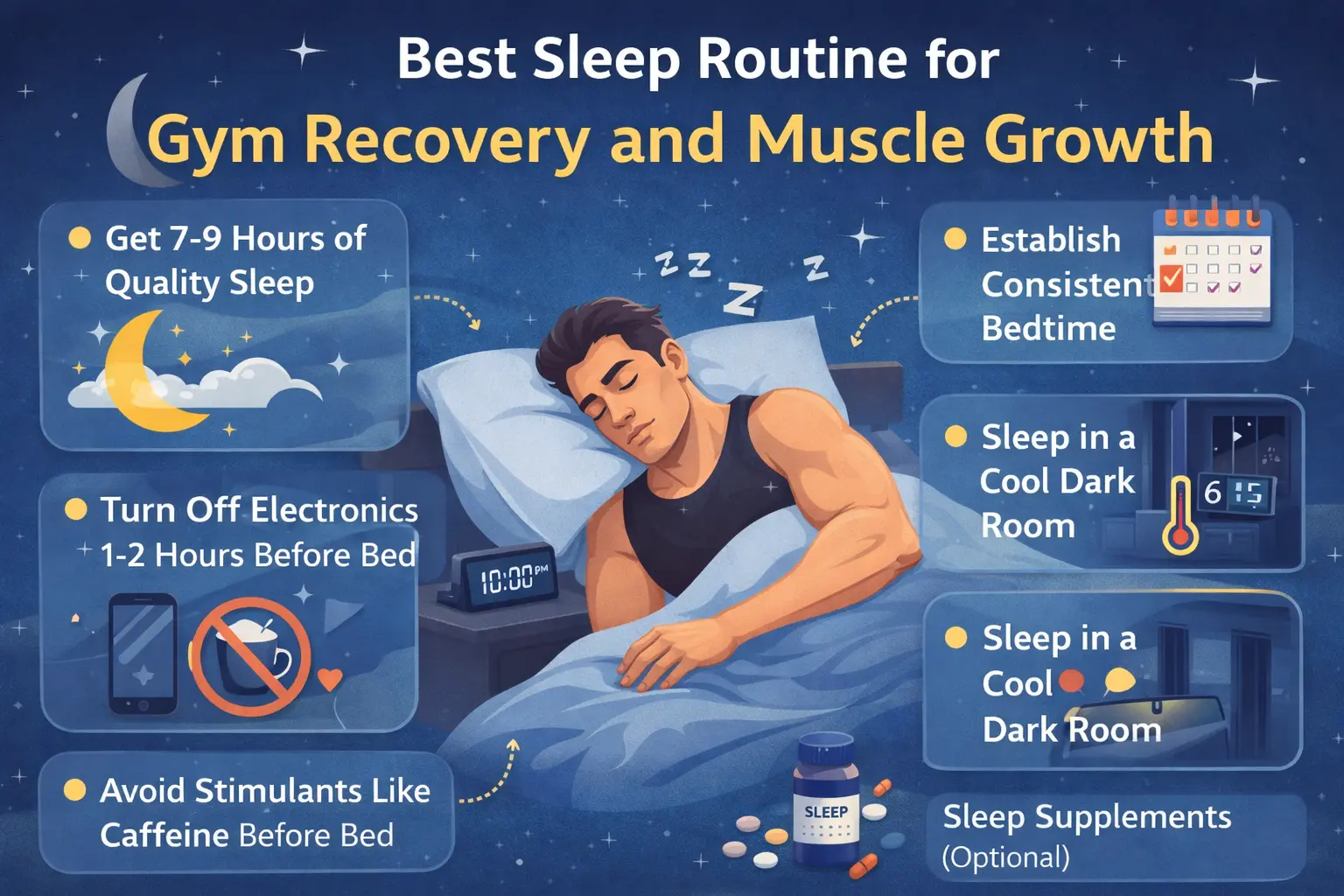
- Optimize Your Sleep Environment: Keep your bedroom between 60-67°F (15-19°C). Studies show that temperature regulation is crucial for sleep quality, especially for active individuals.13
- Block Out Light & Sound: Use blackout curtains and consider white noise machines to create an ideal sleep sanctuary.
- Establish Sleep Rituals: Develop a consistent pre-bed routine that signals to your body it’s time to rest. This might include reading, gentle stretching, or meditation.
Pain Point 3: Persistent Fatigue Despite Efforts
If you’re doing “all the right things” but still feeling exhausted, you might be caught in the trap of “sleepmaxxing”—obsessing over perfect sleep to the point where the stress itself disrupts your rest. A 2026 trend report identifies “orthosomnia” as a growing phenomenon where individuals become so fixated on achieving perfect sleep scores that it creates anxiety and actually worsens sleep quality.
Solutions:
- Listen to Your Body, Not Just Your Data: Sleep trackers are tools, not dictators. If you feel rested but your device says otherwise, trust your body.
- Check for Overtraining: Persistent fatigue, elevated resting heart rate, and decreased performance can signal overtraining syndrome. Build in rest days and recovery weeks.7
- Address Nutritional Gaps: Under-fueling, especially inadequate carbohydrate intake, can mimic overtraining and disrupt sleep. Ensure you’re eating enough to support your activity level.
Advanced Sleep Optimization Strategies & Tools
Personalized Sleep Routines Based on Your Chronotype
Not everyone is wired to wake at 5 AM for a morning workout. Understanding your chronotype—your natural sleep-wake preference—is crucial for optimization. Research shows that aligning your training schedule with your chronotype can improve both performance and sleep quality.
Nutrition for Sleep
Strategic nutrition can significantly impact sleep quality:
- Tart Cherry Juice: Natural source of melatonin that may improve sleep duration and quality.
- Magnesium-Rich Foods: Spinach, pumpkin seeds, and dark chocolate support muscle relaxation and sleep onset.
- Timing Matters: Avoid heavy meals within 2-3 hours of bedtime, but don’t go to bed hungry either.
Recovery Modalities That Support Sleep
Modern recovery strategies go hand-in-hand with sleep optimization:
- Red Light Therapy: Evening exposure to red light may support natural melatonin production without disrupting circadian rhythms, unlike blue light from screens.10
- Cold Therapy: While timing matters, strategic cold exposure can reduce inflammation and lower core body temperature, potentially improving sleep quality.13
The 4-Hour Rule
Groundbreaking research from 2026 establishes a clear guideline: exercise ending at least 4 hours before bedtime shows no association with sleep disruption, regardless of intensity. However, high-strain workouts closer to bedtime progressively worsen sleep onset, duration, and quality. For athletes training in the evening, this finding is transformative—it’s not about avoiding exercise, but about strategic timing.
Smart Sleep Tech Worth Considering
The right technology can provide genuine value:
- Non-Wearable Sleep Trackers: Devices that monitor sleep without the discomfort of wearing a band or ring during the night.
- Temperature-Regulating Systems: Products like Chilipad allow precise control of your sleep surface temperature, crucial for athletes who tend to run hot.
- Heart Rate Variability (HRV) Monitors: Track your nervous system’s readiness for training and identify when your body needs more recovery time.8
Beyond the Basics: When to Seek Expert Help
While optimizing sleep habits can solve many issues, certain red flags warrant professional attention. If you consistently experience any of the following, consider consulting a sleep specialist:
- Chronic difficulty falling asleep (taking longer than 30 minutes regularly)
- Frequent nighttime awakenings with difficulty returning to sleep
- Excessive daytime sleepiness despite “adequate” sleep hours
- Loud snoring, gasping, or breathing pauses during sleep (potential sleep apnea)
- Persistent fatigue accompanied by declining athletic performance
Sleep apnea, in particular, is more common among athletes in certain sports (especially those with higher body mass and neck circumference) and can have profound negative effects on both health and performance if left untreated. Early detection through sleep studies has become more accessible, with some innovations like Apple’s sleep apnea detection making screening easier than ever.9
Remember: While wellness trends and biohacking strategies can enhance sleep, they’re not substitutes for medical evaluation when genuine sleep disorders are present. The key is knowing when DIY optimization has reached its limits.
Your Blueprint for Restful Nights & Powerful Days
The path to optimal sleep and recovery isn’t about perfection—it’s about progress and personalization. Here’s your action plan:
- Start With Timing: If you train in the evening, experiment with finishing workouts at least 4 hours before bedtime, or switch to lower-intensity sessions if that’s not possible.
- Optimize Your Environment: Address the fundamentals—temperature, light, sound—before investing in expensive technology.
- Track Mindfully: Use sleep data as a guide, not a source of anxiety. Focus on trends over time, not nightly perfection.
- Prioritize Consistency: Maintain regular sleep-wake times, even on weekends, to support your circadian rhythm.15
- Build Recovery Into Your Program: Schedule rest days and deload weeks as deliberately as you program your training sessions.
Remember: In 2026’s recovery-focused fitness culture, prioritizing sleep isn’t a sign of weakness—it’s a demonstration of commitment to your long-term performance and health. The most successful athletes understand that the work you do between training sessions matters just as much as the work you do during them.
We want to hear from you: What’s your biggest sleep challenge as someone who trains regularly? Have you implemented any of these strategies with success? Share your experiences in the comments below, and let’s build a community focused on smarter training through better recovery.

![4 Ways to Lose Belly Fat: A Realistic 30-Day Formula for [Men & Women]](https://sleepingtime.online/wp-content/uploads/2025/12/lose-belly-fat-768x382.png)