
10 Early Warning Signs of Obstructive Sleep Apnea (Don’t Ignore These)
Sleep should be restorative. It’s supposed to be that quiet, peaceful part of our day when our body repairs itself and our mind consolidates memories. But for roughly 22 million Americans living with obstructive sleep apnea, sleep is anything but peaceful. Instead, it’s a nightly struggle with interrupted breathing, fragmented rest, and a cascade of daytime consequences that most people don’t realize stem from what’s happening when they’re unconscious.
Here’s what makes this particularly concerning: most people with obstructive sleep apnea don’t even know they have it. They wake up exhausted, blame stress or aging, and push through their days wondering why they can’t focus or why their partners are growing increasingly frustrated with their snoring. Meanwhile, their bodies are fighting for oxygen multiple times per hour throughout the night.
The good news? Recognizing the warning signs of obstructive sleep apnea can be transformative. Early detection doesn’t just improve your quality of life—it can literally save your life by preventing serious cardiovascular complications down the road. That’s why understanding these 10 early warning signs isn’t just helpful; it’s essential.
Understanding Obstructive Sleep Apnea: The Basics
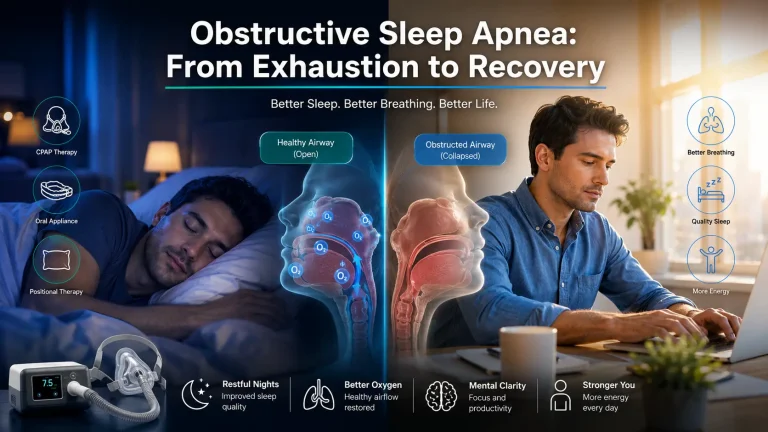
Before diving into the warning signs, let’s establish what we’re talking about. Obstructive sleep apnea (OSA) is a sleep disorder characterized by repeated episodes where your airway collapses or becomes blocked during sleep, causing you to stop breathing for seconds at a time. These breathing interruptions, called apneic events, happen dozens or even hundreds of times per night in moderate to severe cases.
Here’s how it works: during normal sleep, your throat muscles relax slightly—that’s completely normal. But if you have OSA, these muscles relax excessively, allowing soft tissue to collapse into your airway. Your oxygen levels drop. Your brain detects the problem and essentially forces you awake (usually without you realizing it) to restore breathing. You gasp, your breathing returns, and you drift back to sleep. Then it happens again.
This isn’t the same as regular snoring, though snoring is often present. You can snore your whole life without having sleep apnea. Conversely, you can have sleep apnea without snoring at all. The key distinction is that with OSA, there are actual pauses in breathing—periods where airflow stops despite your body’s effort to breathe.
Sleep apnea affects people across all demographics, though certain risk factors increase vulnerability: being male, age 50 and older, excess weight, having a narrow throat, high blood pressure, or a family history of sleep apnea. But don’t assume you’re safe if none of these apply to you—we’re seeing increased diagnosis in women, younger adults, and people of normal weight.

Warning Sign #1: Loud and Persistent Snoring
Let’s start with the most obvious sign: snoring. Your partner has mentioned it. Maybe they’ve even banished you to the guest room. You might think you’re just a snorer, and that’s your lot in life.
But here’s what’s important to understand: not all snoring indicates obstructive sleep apnea, but loud and persistent snoring—particularly when it’s accompanied by other symptoms—is a significant warning sign worth taking seriously.
Snoring occurs because of airway resistance. When air passes through a partially narrowed airway, it causes the soft tissues of your throat to vibrate, creating that sound. With OSA, the airway is even more compromised, often resulting in snoring that’s noticeably louder and more disruptive.
The key differentiators to notice:
- Consistency: Does it happen every night, or just occasionally (like when you have a cold)?
- Volume: Are we talking about occasional gentle sounds, or something that literally keeps your partner awake?
- Pattern: Does it follow a consistent rhythm, or is it irregular and interrupted by pauses and gasping?
Partners often notice this before the person with sleep apnea does. If your partner is describing snoring that sounds like you’re choking or gasping, or if they’ve mentioned that your snoring stops and you seem to stop breathing—that’s not just annoying snoring. That’s a potential warning sign that warrants professional evaluation.
The frustrating part? Many people dismiss this. “I’ve always snored,” they say, or “That’s just how I am.” But snoring that’s new or has gotten progressively worse is worth investigating, not normalizing.
Warning Sign #2: Witnessed Breathing Pauses
This is perhaps the most alarming symptom, and often the one that brings people to a doctor. A bed partner or family member notices that you stop breathing—sometimes for several seconds, even 30 seconds or more—and then suddenly gasp or choke as you resume breathing.
These aren’t imaginary observations. These are actual apneic events. During these pauses, your oxygen levels are dropping, your heart is working harder, and your nervous system is getting stressed out. You might not be conscious of it happening, but your body absolutely is.
If someone you live with has mentioned this, take it seriously. This is one of the most direct indicators that something is disrupting your breathing during sleep. Some people have a few of these episodes per night; others have dozens or even over a hundred, depending on the severity of their OSA.
What’s particularly important to understand is that you probably won’t remember these events. Your brain is forcing you awake just enough to restore breathing, but you’re not hitting deep consciousness—you’re in that twilight state where no memory is being formed. So your partner’s observations become your primary source of information.
This is why sleeping alone can actually mask a sleep apnea diagnosis. People without bed partners often go undiagnosed for years because they have no external witness to the breathing pauses.
Warning Sign #3: Excessive Daytime Sleepiness
You slept eight hours. Sometimes you slept nine or ten. Yet you’re exhausted. You’re struggling to keep your eyes open during meetings, your coworkers are noticing, and you’re genuinely worried about nodding off while driving.
Welcome to the exhaustion that comes with obstructive sleep apnea.
Here’s what’s happening: even though you were in bed for eight hours, your sleep wasn’t restorative. Every time your breathing pauses and your brain forces you awake, you’re being yanked out of deeper, more restorative sleep stages. If this is happening 30 times per hour, you’re being fragmented 240 times in an eight-hour night. That’s not sleep; that’s interruption.
This extreme daytime sleepiness isn’t laziness. It’s not depression. It’s your brain screaming that it’s not getting the deep, continuous sleep it needs to function. This is why people with untreated sleep apnea often describe a fog—they can’t quite think clearly, they feel mentally sluggish, and they’re fighting to stay awake despite having “enough” sleep.
The danger here is significant: daytime sleepiness from OSA increases your risk of car accidents. Studies show that untreated sleep apnea makes you about five times more likely to have a traffic accident. If you’re nodding off at red lights or finding yourself startled awake on the highway, this isn’t just about feeling tired—it’s a safety issue.
Distinguishing this from normal fatigue is important. Normal fatigue improves with good sleep, stress management, and adequate rest days. OSA-related sleepiness persists regardless. You could take a nap and still feel exhausted an hour later. This is the exhaustion that doesn’t make sense to the person experiencing it—”I sleep more than anyone I know, so why am I so tired?”
Warning Sign #4: Gasping Awake During Sleep
You find yourself jolting awake, gasping for air as though you’ve just surfaced from deep underwater. Your heart might be pounding. You’re disoriented for a moment. Then it passes, and you settle back down—only to have it happen again later that night.
These sudden awakenings with gasping are your body’s emergency response to an oxygen drop. When your airway collapses and breathing stops, your oxygen saturation decreases. Your brain interprets this as a crisis and initiates an arousal response—a sudden neurological jolt that wakes you up. You gasp and breathe deeply, oxygen levels restore, and your nervous system eventually settles.
The frequency of these events is important. Occasional gasping awake might not be concerning. But if this is happening multiple times per night, it’s a red flag. You might not remember all these awakenings—most people don’t retain memories of these brief arousals—but your sleep architecture is being severely disrupted.
What’s particularly concerning is that many people habituate to this. They become so accustomed to gasping awake that they don’t even recognize it as unusual. Only when they receive a sleep study diagnosis do they realize how many times per night this has been happening.
This symptom often correlates with more severe sleep apnea. If you’re experiencing multiple gasping awakenings, the severity warrants professional evaluation sooner rather than later.
Warning Sign #5: Morning Headaches
You wake up with a headache. Not occasionally—consistently. Maybe not every morning, but most mornings, there’s a dull throb that takes a couple of hours to resolve, or requires medication to manage.
Morning headaches are a frequently overlooked symptom of obstructive sleep apnea, but they’re actually quite common and physiologically explainable. Here’s why they occur:
During OSA episodes, your airway closes but your respiratory effort continues. You’re trying to breathe, but no air is passing. This creates a pressure imbalance and can cause carbon dioxide to accumulate in your blood because it’s not being fully expelled during those apneic episodes. Elevated CO2 causes cerebral vasodilation—your blood vessels widen—which triggers headaches.
Additionally, the stress of repeated arousals throughout the night increases muscle tension in your neck and shoulders, contributing to morning headache pain.
The pattern is usually distinctive: the headache is present or most severe when you first wake up and typically improves over an hour or two as you’re awake and breathing normally. If you notice this pattern—waking with a headache that wasn’t there when you went to sleep—it’s worth investigating.
Some people attribute these morning headaches to stress or hormonal changes, so they’re surprised when treating their sleep apnea makes the headaches disappear entirely. It’s one of those symptoms that people don’t always connect to sleep, but sleep medicine specialists see this connection regularly.
Warning Sign #6: Dry Mouth or Sore Throat Upon Waking
Your mouth feels parched when you wake up. Your throat feels raw or irritated. Maybe it feels slightly swollen. This is particularly noticeable if it’s a new development—something that wasn’t happening a few months ago.
This symptom is surprisingly common with obstructive sleep apnea, and it’s caused by mouth breathing during sleep. When your airway is partially or frequently obstructed, you unconsciously shift to breathing through your mouth to get more air. Mouth breathing, especially for extended periods throughout the night, dries out your oral tissues.
This leads to a cascade: dry mouth environment, irritated throat tissues, sometimes minor inflammation, and occasionally sore throat symptoms upon waking. Some people describe it as feeling like their throat needs lubrication or that they’re constantly clearing their throat.
While a dry mouth and sore throat can certainly have other causes—dry air in your bedroom, seasonal allergies, mild illness—when combined with other symptoms on this list, it’s worth noting. And when this symptom occurs consistently every morning and improves as the day progresses, it becomes more significant.
This is one of those symptoms people often try to manage topically: throat lozenges, moisturizing sprays, humidifiers. While those things aren’t harmful, they’re addressing the symptom, not the underlying cause. Treating the obstructive sleep apnea itself typically makes this symptom resolve.
Warning Sign #7: Frequent Nighttime Urination (Nocturia)
You’re getting up multiple times per night to urinate. It’s disrupting your sleep further, adding another layer of fragmentation to an already disrupted night. This is called nocturia, and while it can have many causes, it’s also associated with obstructive sleep apnea.
The mechanism is interesting: during apneic episodes when oxygen levels drop, your body activates the sympathetic nervous system—your fight-or-flight response. This increases blood pressure and activates various systems, including the release of natriuretic peptides, which affect fluid regulation and promote urination. It’s a physiological response to the stress your body is experiencing.
Additionally, the arousal response that accompanies apneic events can trigger the urge to urinate, even if your bladder isn’t particularly full.
This symptom can be tricky to parse because nocturia has many potential causes: urinary tract issues, diabetes, certain medications, age-related changes, or simply consuming too many fluids before bed. But when nocturia develops or worsens in conjunction with other sleep apnea symptoms, and especially when it’s happening multiple times per night, it’s worth considering as a contributing symptom.
Interestingly, many people find that treating their sleep apnea—and thus improving their sleep stability and oxygen levels—significantly reduces nocturia. It’s not always the primary issue, but it’s often a meaningful piece of the puzzle.
Warning Sign #8: Unexplained Irritability and Mood Changes
You’re snapping at people over minor things. Your partner comments that you seem grumpy. You find yourself irritable in situations where you’d normally be patient. Maybe you’re struggling with anxiety or depression that seems new or more pronounced than usual.
These mood changes are your brain responding to chronic sleep deprivation. Obstructive sleep apnea doesn’t just fragment your sleep physically—it fragments your emotional regulation, your capacity for patience, and your stress resilience.
Sleep is crucial for emotional processing and regulation. When you’re not getting continuous, deep sleep, your prefrontal cortex—the rational, thoughtful part of your brain—isn’t functioning optimally. Meanwhile, your amygdala—your emotional center—is in overdrive from the stress of repeated low-oxygen events. This imbalance makes irritability almost inevitable.
People often don’t connect these mood changes to sleep because they’re sleeping their normal amount of time. They might even attribute it to stress, relationship issues, or hormonal changes. But when mood improves dramatically after sleep apnea treatment begins, it becomes clear that the sleep issue was the root cause.
This symptom is particularly important in relationships. Partners might feel hurt by the irritability, not understanding that it’s a physiological response to disordered sleep, not a reflection of their partner’s feelings toward them. Once OSA is treated, these relationship dynamics often improve markedly.
Warning Sign #9: Difficulty Concentrating and Memory Issues
You’re reading a page and realizing you have no idea what it said. You attended a meeting and can’t quite remember what was discussed. You feel like your thinking is sluggish, and focus feels impossible—even when you’re genuinely trying to concentrate.
This is the cognitive impact of sleep fragmentation. Your brain can’t consolidate information effectively when it’s not getting continuous sleep. Memory formation, attention span, and executive function all depend on adequate deep sleep.
Obstructive sleep apnea affects REM sleep and slow-wave sleep—the stages most crucial for cognitive function and memory consolidation. When these stages are repeatedly interrupted, you’re essentially robbed of the processing time your brain needs to function optimally.
Many people with undiagnosed sleep apnea find themselves struggling at work: missing details, making more mistakes, finding complex problem-solving exhausting. Some describe feeling like they have “brain fog” that’s persistent and frustrating. Younger people sometimes worry about early-onset cognitive issues. Older adults might worry about dementia symptoms.
The encouraging part? This symptom is often reversible. Once sleep apnea is treated and people begin getting continuous, restorative sleep, cognitive function often improves significantly.
Warning Sign #10: Sexual Dysfunction
This is an often-overlooked symptom that can have significant relationship implications. Men with obstructive sleep apnea frequently experience erectile dysfunction. Women might experience decreased libido or difficulty with arousal. These aren’t psychological issues—they’re physiological consequences of sleep-disordered breathing.
The mechanisms are multiple: low oxygen levels affect vascular function throughout your body; the repeated stress and arousal damage endothelial function (the lining of blood vessels); hormonal imbalances develop due to disrupted sleep and stress; and the general fatigue and irritability associated with untreated OSA certainly don’t help sexual desire or performance.
Many people don’t mention sexual dysfunction to their doctors, and doctors don’t always ask. But if you’re experiencing new-onset sexual dysfunction, particularly when it’s unexplained by other factors, and when it occurs alongside other symptoms on this list, sleep apnea should be considered.
Here’s the hopeful part: many men report significant improvement in erectile function after their sleep apnea is treated. It’s not an overnight change, but as sleep quality improves and oxygen levels stabilize, sexual function often normalizes.
Why These Symptoms Matter: The Health Consequences
Understanding these 10 warning signs isn’t just about comfort—it’s about health and longevity. Untreated obstructive sleep apnea doesn’t just disrupt your sleep and make you exhausted. It has serious, potentially life-threatening consequences.
Each time your oxygen level drops during an apneic event, your cardiovascular system is stressed. Your blood pressure spikes. Your heart works harder. Over time, this repeated stress leads to hypertension—high blood pressure—that’s often resistant to treatment until sleep apnea is addressed.
The cardiovascular risks extend further: increased risk of heart attack, stroke, arrhythmia (irregular heartbeat), and sudden cardiac death. People with untreated sleep apnea have significantly elevated rates of these cardiovascular events, particularly when apnea severity is moderate to severe.
There’s also metabolic impact: untreated sleep apnea increases the risk of type 2 diabetes and makes blood sugar control more difficult for people who already have diabetes.
The cognitive and emotional impacts matter too. Untreated sleep apnea is associated with depression, anxiety, and accelerated cognitive decline in aging.
This isn’t meant to be fear-mongering. It’s meant to underscore why addressing these warning signs matters. Sleep apnea is eminently treatable. The earlier you identify it and begin treatment, the better your outcomes and the more you reduce your future health risks.
When to See a Doctor: What Warrants Professional Evaluation
If you’re experiencing one or two of these symptoms in isolation, that doesn’t necessarily mean you have obstructive sleep apnea. But if multiple symptoms are present, or if specific symptoms are severe, it’s time to involve a medical professional.
Consider scheduling an appointment with your primary care doctor or a sleep medicine specialist if you’re experiencing:
- Loud, persistent snoring combined with witnessed breathing pauses
- Excessive daytime sleepiness that’s affecting your safety or productivity
- Multiple warning signs from this list occurring together
- Symptoms that have developed or worsened over months
- Partner’s concerns about your breathing during sleep
During your visit, be specific about your symptoms, when they started, and how they’re affecting your life. Bring details if your partner has observed breathing pauses or other patterns. The more specific information you provide, the better your doctor can assess whether a sleep study is warranted.
Many primary care doctors can order a sleep study, but some patients prefer to see a sleep medicine specialist directly. Sleep studies can be done in a lab or, increasingly, at home with portable monitoring equipment. The results provide definitive diagnosis and can assess the severity of your sleep apnea.
Common Mistakes People Make When Experiencing These Symptoms
Understanding what not to do is as important as understanding what to do:
Ignoring partner feedback. If your partner is observing breathing pauses, take them seriously. They’re giving you valuable outside perspective on something happening while you’re unconscious.
Attributing everything to aging. “This is just what happens when you get older” is a common rationalization. While certain changes do happen with age, this degree of daytime sleepiness and other symptoms isn’t inevitable. Don’t normalize what might be treatable.
Delaying diagnosis because you’re embarrassed. Feeling embarrassed about snoring or these symptoms is understandable, but it’s not a reason to delay care. Sleep apnea is incredibly common and highly treatable.
Self-diagnosing without professional evaluation. You might be confident you have sleep apnea, but only a sleep study can confirm it. Similarly, symptoms can overlap with other sleep disorders or health conditions.
Making lifestyle changes but not getting diagnosed. Yes, weight loss, positional changes, and nasal treatment can help, but they might not fully resolve moderate to severe sleep apnea. Get properly diagnosed first, then work on comprehensive management.
Expert Tips for Tracking Your Symptoms
While you’re waiting for a doctor’s appointment or thinking about whether to schedule one, tracking your symptoms can be valuable. Keep a simple log noting:
- When symptoms occurred and how severe they were
- What position you slept in
- Whether you consumed alcohol before bed (alcohol worsens sleep apnea)
- Sleep duration and how rested you felt
- Daytime sleepiness level on a scale of 1-10
- Any unusual symptoms or patterns
Involve your sleep partner if possible. Ask them to note:
- Snoring frequency and volume
- Witnessed breathing pauses
- Duration of apneic events if they can estimate
- Gasping or choking sounds
This information becomes invaluable for your doctor’s assessment.
Conclusion: You Don’t Have to Live with This
The ten warning signs we’ve discussed—loud snoring, witnessed breathing pauses, excessive daytime sleepiness, gasping awake, morning headaches, dry mouth, nocturia, mood changes, concentration difficulties, and sexual dysfunction—paint a picture of a life disrupted. For millions of people, this is their reality, and many don’t realize these symptoms are all stemming from one treatable condition.
Obstructive sleep apnea is common, but it’s also highly manageable. Treatment options range from lifestyle modifications to medical devices like CPAP machines to surgical interventions in some cases. The right treatment plan depends on your specific situation, severity level, and preferences.
The crucial first step is recognition. If you’re experiencing any combination of these warning signs, don’t rationalize them away. Don’t assume this is just your normal. Pay attention when your partner mentions breathing pauses. Consider that unexplained fatigue might have a root cause.
Reach out to your doctor. Describe your symptoms. Advocate for a sleep study if appropriate. And remember: thousands of people have gotten their lives back by addressing sleep apnea. Better sleep, improved energy, enhanced mental clarity, better mood, improved relationships, and reduced health risks—these are all possible for you too.
Your sleep deserves to be restorative. Your body deserves adequate oxygen through the night. You deserve to wake up rested. If these warning signs resonate with you, take that first step today.
FAQ SECTION: Common Questions About Obstructive Sleep Apnea Symptoms
1. Can you have sleep apnea without snoring?
Yes. While loud snoring is a common obstructive sleep apnea symptom, not everyone with OSA snores, and not every snorer has sleep apnea. Some people with sleep apnea have smaller, quieter snores, or they might have central sleep apnea (where the brain isn’t signaling the muscles to breathe) rather than obstructive sleep apnea. This is why it’s important not to dismiss symptoms based solely on the presence or absence of snoring. If you’re experiencing other warning signs—daytime sleepiness, witnessed breathing pauses, morning headaches—these warrant evaluation even without significant snoring.
2. How many apnea episodes per night is considered normal?
The AHI (Apnea-Hypopnea Index) measures the number of apneic and hypopneic events per hour of sleep. Generally: fewer than 5 events per hour is considered normal, 5-15 is mild OSA, 15-30 is moderate, and more than 30 is severe. However, some sleep specialists consider even one or two events per hour abnormal if accompanied by symptoms. The important part isn’t just the number—it’s whether the apnea is causing symptoms or health consequences.
3. Is daytime sleepiness from sleep apnea different from regular fatigue?
Yes, in several ways. OSA-related sleepiness often persists despite adequate sleep duration, sometimes worsens after napping, and is accompanied by the other symptoms we’ve discussed. Regular fatigue typically improves with good sleep and stress management. If you’re sleeping seven to nine hours and still feeling exhausted, particularly if you have other OSA symptoms, evaluation is warranted.
4. Can sleep apnea symptoms come and go?
Symptoms can vary from night to night based on position, alcohol consumption, congestion, and other factors, but a diagnosis of obstructive sleep apnea is based on the underlying condition, not day-to-day symptom variation. If you’re experiencing regular symptoms, the OSA itself isn’t intermittent—it’s persistent. However, untreated sleep apnea can progressively worsen over time if not addressed.
5. What’s the connection between sleep apnea and high blood pressure?
The repeated oxygen drops and arousal events in sleep apnea stress the cardiovascular system, triggering blood pressure elevation. Over time, this contributes to chronic hypertension. Interestingly, some people find that treating sleep apnea helps control their blood pressure, sometimes even reducing the need for blood pressure medications.
6. Can children have obstructive sleep apnea?
Yes, though it’s less common than in adults. In children, OSA often presents differently—sometimes as behavioral issues, hyperactivity, or poor academic performance rather than sleepiness. Children with sleep apnea might also have enlarged tonsils or adenoids. If you notice loud snoring, witnessed breathing pauses, or daytime behavior issues in your child, discuss it with their pediatrician.
7. Does losing weight cure sleep apnea?
Weight loss can significantly improve or even resolve obstructive sleep apnea in many people, particularly if excess weight is a contributing factor. However, not everyone with sleep apnea is overweight, and even overweight people with OSA might not resolve their condition through weight loss alone. It’s not a guaranteed cure, though it’s often an important part of treatment.
8. How is obstructive sleep apnea diagnosed?
Diagnosis requires a sleep study, which can be conducted in a sleep lab (polysomnography) or at home (portable sleep apnea test). These tests measure your oxygen levels, heart rate, breathing patterns, and sleep stages to determine whether apnea is occurring and how severe it is.
9. What’s the most common treatment for obstructive sleep apnea?
CPAP (Continuous Positive Airway Pressure) therapy is the most commonly prescribed treatment. It involves wearing a mask that delivers pressurized air, keeping your airway open during sleep. Other treatment options include positional therapy, oral appliances, and surgery, depending on severity and individual factors.
10. Can you ignore sleep apnea if symptoms are mild?
Even mild obstructive sleep apnea can have cardiovascular impacts. While severe OSA requires urgent treatment, even mild cases warrant monitoring and management, particularly if symptoms are present. Your sleep medicine specialist can advise on whether treatment is recommended or whether watchful waiting with lifestyle modifications is appropriate.
11. How long does it take to feel better after starting CPAP treatment?
Many people feel improvement within a few nights to a week, particularly in daytime sleepiness. However, full benefits—including mood improvement, cognitive enhancement, and cardiovascular benefit—often take weeks to months as your body fully recovers from chronic sleep deprivation.
12. Does obstructive sleep apnea get worse without treatment?
Untreated sleep apnea doesn’t necessarily progress in severity, but the health consequences accumulate over time. Your cardiovascular system is stressed with each apneic event, blood pressure elevation increases, and the risk of cardiovascular events grows. Additionally, many people find that lifestyle factors (weight gain, aging, changes in neck anatomy) can worsen OSA over time if untreated.
KEY TAKEAWAYS
- Loud, persistent snoring combined with other symptoms is a major warning sign that shouldn’t be ignored or normalized.
- Witnessed breathing pauses are the most direct indicator of obstructive sleep apnea and warrant immediate professional evaluation.
- Excessive daytime sleepiness that doesn’t improve with more sleep is a characteristic symptom of OSA and has serious safety implications.
- Multiple warning signs together create a compelling case for sleep study evaluation—don’t wait for just one obvious symptom.
- Morning headaches, dry mouth, and frequent urination are commonly overlooked symptoms of sleep apnea but are important diagnostic clues.
- Mood changes and cognitive difficulties from untreated sleep apnea are reversible with proper treatment.
- Untreated obstructive sleep apnea carries significant cardiovascular risks including increased risk of heart attack and stroke.
- Early detection and treatment prevent serious health complications and dramatically improve quality of life.
- Your partner’s observations are valuable diagnostic information—take their feedback about your breathing seriously.
- Sleep apnea is highly treatable, and recognizing these warning signs is the crucial first step toward reclaiming healthy, restorative sleep.