
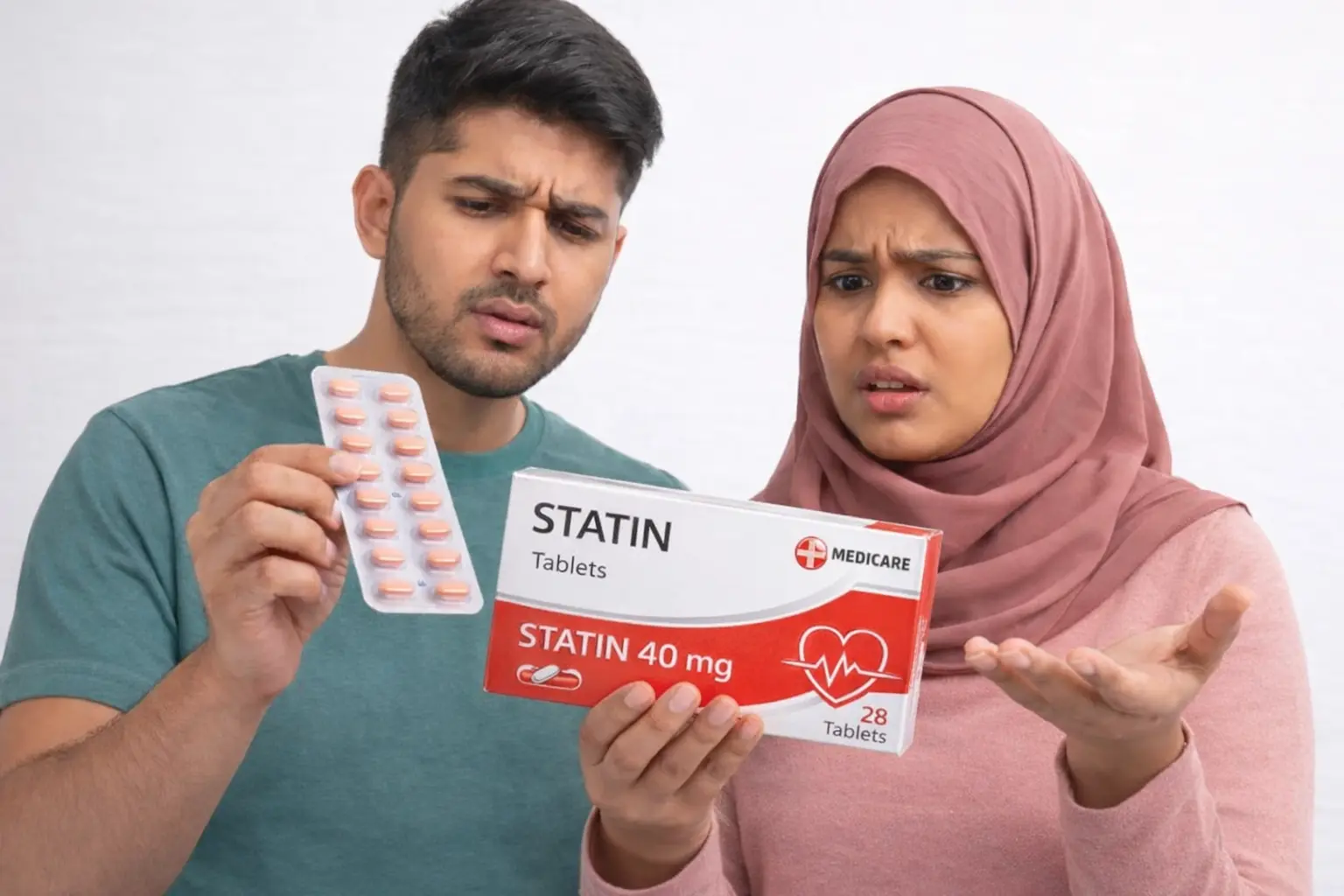
Statin Side Effects Explained: New Study Shows Most Fears Are Misunderstood
Statins are among the most commonly prescribed medications in the world for lowering cholesterol and preventing heart disease. For decades, doctors have recommended these drugs to millions of patients at risk of heart attacks and strokes. However, fear and misinformation about statin side effects have caused many people to avoid or stop taking these potentially life-saving medicines.
A large international study has now found that many of the symptoms people associate with statins are not actually caused by the drug. The research suggests that misunderstandings about statin side effects may be preventing millions of people from receiving important treatment for cardiovascular disease.
The findings provide reassurance for patients and highlight the urgent need for better public awareness about the real benefits and risks of statin therapy.

What Are Statins and Why Are They Prescribed?
Statins are medications used to lower cholesterol levels in the blood. High cholesterol can lead to the buildup of fatty deposits in arteries, a condition known as atherosclerosis. Over time, these deposits can narrow or block blood vessels, increasing the risk of heart attacks and strokes.
Statins work by blocking an enzyme in the liver that is responsible for producing cholesterol. This reduces the amount of cholesterol circulating in the bloodstream and helps prevent plaque formation in the arteries.
Doctors commonly prescribe statins for people who:
- Have high cholesterol levels
- Have already experienced a heart attack or stroke
- Are at high risk of cardiovascular disease
- Have diabetes or other related conditions
Research has consistently shown that statins can significantly reduce the risk of major cardiovascular events and save millions of lives each year.
Despite these benefits, concerns about side effects have led many patients to question whether the medication is safe.
Major Oxford Study Examines Statin Side Effects
To address growing concerns about statin safety, researchers from the University of Oxford conducted one of the most comprehensive analyses of statin side effects ever performed.
The team reviewed data from more than 123,000 patients participating in 19 different clinical trials. These studies compared patients taking statins with those receiving a placebo (a pill with no active medication).
The goal was to determine whether commonly reported symptoms were actually caused by statins or if they occurred naturally in patients regardless of treatment.
After analyzing the data, researchers reached a clear conclusion: most symptoms blamed on statins were not caused by the medication itself.
In fact, many of the reported problems occurred at nearly the same rate in people taking placebo pills.
This finding suggests that widespread fear of statin side effects may be based more on perception than on scientific evidence.
Symptoms Commonly Blamed on Statins
Many patients report experiencing new symptoms after starting statin therapy. These symptoms are often assumed to be side effects of the medication.
However, the Oxford analysis found no significant evidence linking statins to several commonly reported complaints.
Symptoms that were not associated with statin use include:
- Memory loss
- Depression
- Sleep disturbances
- Erectile dysfunction
- Weight gain
- Headaches
- Persistent fatigue
Lead researcher Dr. Christina Reith explained that these symptoms frequently occur in middle-aged and older adults, the same group that is most likely to be prescribed statins.
Because these health issues can develop naturally over time, many patients mistakenly attribute them to their medication.
This misunderstanding can lead people to stop taking statins prematurely, even when the drug is providing important protection against heart disease.
Real Statin Side Effects Do Exist — But They Are Rare
While the study confirms that most feared side effects are not linked to statins, researchers acknowledge that some genuine side effects can occur.
Fortunately, these effects are relatively uncommon and are usually mild.
Muscle Pain
The most commonly reported statin side effect is muscle pain or soreness. According to the study, about 1% of patients experience muscle discomfort, usually within the first year of treatment.
In most cases, the symptoms are mild and can be managed by adjusting the medication dose or switching to a different statin.
Increased Blood Sugar
Statins may slightly increase blood sugar levels, which could raise the risk of developing diabetes in certain high-risk individuals. However, researchers emphasize that the cardiovascular benefits of statins generally outweigh this small risk.
Minor Liver Enzyme Changes
Some patients experience small increases in liver enzyme levels. These changes are usually temporary and occur in only about 0.1% of patients.
Importantly, the study found no evidence that statins cause serious liver disease.
Occasional Swelling
A small number of patients may develop swelling in the legs or feet, though this side effect is uncommon.
Overall, the research indicates that serious complications from statins are extremely rare.
Why Fear of Statins Is Increasing
In recent years, public concern about statin safety has grown due to misinformation spreading through social media, blogs, and online forums.
Many online discussions exaggerate the risks of statin therapy while ignoring the strong scientific evidence supporting its benefits.
As a result, some patients develop anxiety about taking the medication even before they begin treatment.
This phenomenon is sometimes called the “nocebo effect.” It occurs when patients expect negative side effects and then perceive normal health symptoms as being caused by the medication.
Studies show that the nocebo effect can significantly increase the number of reported side effects, even when patients are taking a placebo.
In the case of statins, this psychological effect may be responsible for many of the symptoms patients experience.
The Growing Burden of Heart Disease
Heart disease remains the leading cause of death worldwide. Cardiovascular conditions such as heart attacks and strokes claim millions of lives every year.
The risk is particularly increasing in regions such as South Asia and Southeast Asia, where lifestyle changes, rising diabetes rates, and unhealthy diets are contributing to higher cholesterol levels.
Factors driving the rise in heart disease include:
- Sedentary lifestyles
- Increased consumption of processed foods
- High rates of diabetes
- Smoking and tobacco use
- Obesity and metabolic disorders
Public health experts warn that avoiding statins due to fear of side effects may lead to preventable deaths.
For people with high cardiovascular risk, statins can dramatically reduce the likelihood of major heart events.
How Statins Protect the Heart
Statins provide several important health benefits beyond lowering cholesterol.
These medications can:
- Reduce inflammation in blood vessels
- Stabilize plaques in arteries
- Improve blood vessel function
- Lower the risk of blood clots
By addressing multiple factors involved in cardiovascular disease, statins significantly reduce the chances of heart attacks and strokes.
Long-term studies have shown that statin therapy can reduce the risk of major cardiovascular events by up to 25–35 percent in high-risk patients.
This makes statins one of the most effective preventive treatments available in modern medicine.
Why Experts Want Better Education About Statins
Because misinformation about statin side effects is so widespread, medical experts are calling for improved patient education.
Researchers suggest that drug labels and patient information leaflets should be updated to clearly explain the actual risks and benefits of statins.
Doctors also play an important role in helping patients understand how these medications work and why they are important.
Better communication between patients and healthcare providers can help reduce unnecessary fear and improve treatment adherence.
When patients understand the real evidence behind statin safety, they are more likely to continue taking their medication as prescribed.
Should You Stop Taking Statins?
Patients should never stop taking statins without consulting their doctor.
Suddenly stopping statin therapy can increase the risk of heart attack or stroke, particularly for people who already have cardiovascular disease.
If patients experience unusual symptoms while taking statins, they should discuss the issue with their healthcare provider. In many cases, doctors can adjust the medication dose or recommend an alternative statin that works better for the patient.
Most people tolerate statins very well and experience no serious side effects.
The Bottom Line
Statins remain one of the most effective and widely studied medications for preventing heart disease.
The latest research confirms that many of the side effects people fear are not actually caused by statins. While a few genuine side effects exist, they are rare and usually mild.
For millions of patients around the world, statins provide critical protection against heart attacks and strokes.
Avoiding these medications due to misinformation may be far more dangerous than taking them.
Patients concerned about statin therapy should speak with their doctor and rely on scientific evidence rather than myths or internet rumors.
When used appropriately, statins can help people live longer, healthier lives.

![4 Ways to Lose Belly Fat: A Realistic 30-Day Formula for [Men & Women]](https://sleepingtime.online/wp-content/uploads/2025/12/lose-belly-fat-768x382.png)