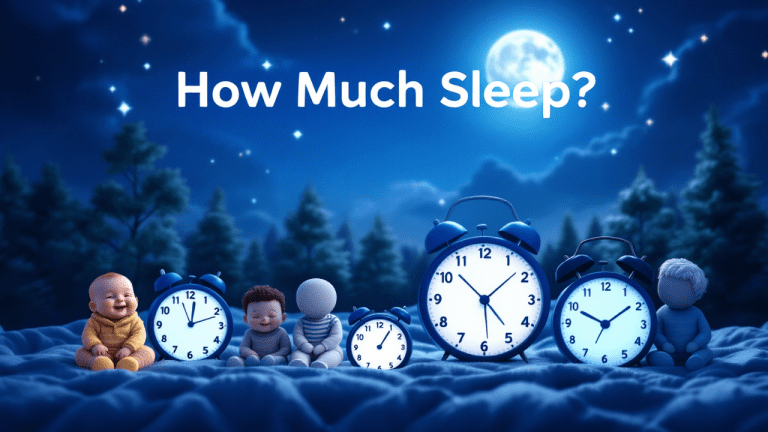

Sleep Calculator by Age: Find Your Perfect Bedtime for Every Stage of Life
Sleep is the cornerstone of health, performance, and well-being. Yet, many overlook its importance by either sleeping too little or too much. Using a sleep calculator tuned to age helps optimize your body’s recovery, mental sharpness, and daily routine.
In this blogpost, we’ll explore science-backed, practical, age-specific insights to help you get the rest your body craves.
Why Sleep Matters
Sleep isn’t just “downtime.” During rest, the body undergoes critical repair processes:
- Cell repair and growth take place, strengthening muscles, tissues, and the immune system.
- Brain detoxification helps clear out waste proteins, enhancing memory and focus.
- Emotional regulation helps balance mood, reducing anxiety and depression risks.
- Hormonal balance ensures proper regulation of appetite, metabolism, and stress responses.
Without enough quality sleep, you may experience:
- Daytime fatigue and poor concentration
- Mood swings and irritability
- Weakened immunity
- Increased risk of chronic conditions like diabetes, hypertension, and obesity
Clearly, sleep isn’t optional—it’s essential. How much do you really need? An age-based approach provides the answer.

Sleep Calculator by Age: Recommended Hours
Every stage of life requires different amounts of sleep; babies, children, teenagers, adults, and seniors have unique sleep needs.
Here’s a breakdown of daily sleep requirements according to age:
Newborns (0–3 months)
- 14–17 hours per day
Newborns sleep in short, irregular cycles of 1–3 hours.
Infants (4–11 months)
- 12–15 hours per day
Daytime naps become a vital part of their routine, and nighttime sleep becomes more regular.
Toddlers (1–2 years)
- 11–14 hours per day
Toddlers need consistent bedtimes. Good sleep supports emotional and motor development.
Preschoolers (3–5 years)
- 10–13 hours per day
Sleep benefits brain development and social readiness. A calming pre-sleep ritual helps preschoolers fall asleep faster.
School-age children (6–13 years)
- 9–12 hours per night
Quality sleep helps kids learn better and behave well.
Teenagers (14–17 years)
- 8–10 hours per night
Teens often lose sleep due to screen time or school stress, which can affect their growth and hormone levels.
Young adults (18–25 years)
- 7–9 hours per night
This is the optimal range where most young adults thrive, striking a balance between work, social life, and health.
Adults (26–64 years)
- 7–9 hours per night
Regular sleep helps lower the risks of heart disease, obesity, and mental health issues.
Older adults (65+ years)
- 7–8 hours per night
While total sleep time may decline slightly, the quality of deep sleep remains crucial for cognitive resilience and overall energy.
How to Use a Sleep Calculator
A sleep calculator by age shows not only how long to sleep but also when to go to bed and wake up.
Step 1: Identify Your Age Group
Start by aligning yourself with the recommended age-based sleep range mentioned above.
Step 2: Consider Sleep Cycles
Sleep occurs in 90-minute cycles, during which the body alternates between light, deep, and REM sleep. Waking up in the middle of deep sleep often leaves you groggy. Ideally, you want to wake up at the end of a sleep cycle.
Step 3: Calculate Bedtime or Wake-up Time
If you need to wake up at 7 AM and want 7.5 hours of sleep (5 full cycles), count backward:
- Bedtime: 11:30 PM
If you prefer 9 hours (6 cycles), then:
- Bedtime: 10:00 PM
Many online sleep calculators by age automate this process; however, you can also calculate it manually using the cycle method.
Step 4: Adjust for Lifestyle
While calculators provide ranges, lifestyle factors such as stress, diet, and exercise may necessitate fine-tuning your sleep duration to achieve optimal results.s
Even within age guidelines, sleep patterns vary due to Genetics: some individuals are natural “short” or “long” sleepers.
- Gender: Women may need an extra 20 minutes of sleep on average due to more complex brain activity during the day.
- Activity level: Athletes and labor-intensive workers may need an extra hour of rest.
- Health conditions, such as sleep apnea, anxiety, or chronic pain, may affect quality more than the total hours.
Benefits of Following a Sleep Calculator by Age
Adhering to the right sleep schedule for your age yields numerous benefits, including increased daytime energy, improved memory, enhanced immunity, clearer skin, stable hormone levels, easier weight management, a lower risk of chronic illness, and better emotional well-being.
- Higher energy levels during the day
- Sharper focus and productivity
- Stronger immune system
- Improved skin health and hormonal stability
- Better weight management
- Lower risk of chronic diseases
- Enhanced emotional balance and reduced stress
How to Improve Sleep Quality
Knowing your best sleep hours is only half the solution. Quality counts as much as quantity. Here are proven ways to sleep better:
Create a Sleep-friendly Environment
- Keep your room cool, dark, and quiet.
- Use blackout curtains or a sleep mask.
- Invest in a comfortable mattress. Use blackout curtains or a sleep mask to block out light. ule
Go to bed and wake up at the same time daily, even on weekends. Consistency resets your circadian clock.
Limit Stimulants
- Avoid caffeine after 2 PM.
- Reduce alcohol and nicotine intake, as both disrupt sleep cycles.
Digital Detox
Blue light from screens disrupts melatonin. Turn off devices at least an hour before bed.
Practice Relaxation Techniques
- Deep breathing, meditation, or progressive muscle relaxation can prepare your body for deep rest.
- Reading a calming print book can also be helpful.
Exercise
Regular exercise leads to deeper sleep, but avoid intense workouts within two hours of bedtime.
Common Sleep Myths
- “I can catch up on sleep during the weekend.”
A little extra weekend sleep is fine, but you can’t make up for lost weekdays. Consistency matters most. - “Older adults don’t need much sleep.”
They still need 7–8 hours. The decline is in deep sleep quality, not total requirement. - “Napping replaces nighttime sleep.”
Naps help boost energy, but they don’t replace the benefits of overnight deep and REM sleep.
Sleep Calculator by Age: A Practical Chart
| Newborns | 14–17 hours | Flexible |
| Infants | 12–15 hours | Multiple naps |
| Toddlers | 11–14 hours | 6:30–7:30 PM |
| Preschoolers | 10–13 hours | 7:00–8:00 PM |
| School-age kids | 9–12 hours | 8:00–9:00 PM |
| Teenagers | 8–10 hours | 9:00–10:30 PM |
| Young Adults | 7–9 hours | 10:00–11:30 PM |
| Adults | 7–9 hours | 10:00–11:30 PM |
| Older Adults | 7–8 hours | 9:30–11:00 PM |
Final Thoughts
A sleep calculator by age helps you match your biology with healthy routines. Sleeping the right amount at the right time can improve energy, mood, and overall performance.
Sleep is the ultimate productivity hack, the most potent anti-aging tool, and the key to a healthier future. Instead of fighting against your body, let your age guide your sleep—and wake up to a stronger, sharper, and more vibrant you.