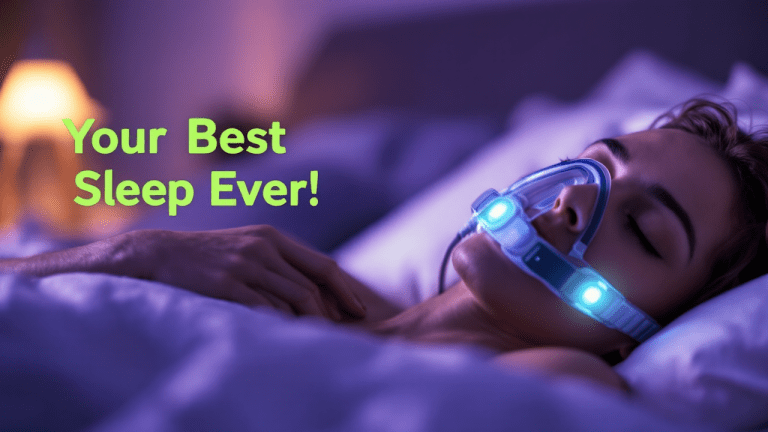

Sleep Hygiene: 10 Proven Tips for a Better Bedtime Routine [ NHS Recommended ]
Getting a good night’s sleep is one of the most effective ways to support your health, mood, and daily performance. The NHS (National Health Service) recommends that adults aim for 7 to 9 hours of quality sleep each night. In today’s fast-paced lifestyle, restlessness, frequent waking, and trouble falling asleep are common, so good sleep hygiene is essential.
Here are 10 NHS-endorsed tips to help you sleep better, whether you struggle to rest or want higher-quality sleep. Let’s explore the basics of sleep hygiene before diving into the tips.

What Is Sleep Hygiene?
Sleep hygiene means your sleep routines and settings. Like brushing teeth keeps teeth strong, consistent bedtime habits support rest. Irregular schedules, late meals, or excessive screen time can all contribute to reduced sleep quality.
The NHS says sleep is essential, not optional. Good sleep hygiene helps you sleep better and improves your health.
Why Sleep Hygiene Matters
Before the tips, here’s why sleep hygiene matters:
- Good sleep reduces stress, anxiety, and risk of depression while enhancing immune function and cognitive processing.
- Boosts immune function: Quality sleep enhances the body’s natural ability to fight illness.
- Restful sleep enhances your ability to process information.
- Balances hormones: Proper sleep regulates appetite hormones and reduces unhealthy cravings.
- Poor sleep increases the risk of chronic disease.
Healthy sleep patterns promote long-term wellness. Let’s look at the 10 NHS tips for better sleep hygiene.
1. Stick to a Consistent Sleep Schedule
The NHS recommends keeping a regular bedtime and wake-up time. Going to bed at different hours or sleeping in on weekends disrupts your body’s natural circadian rhythm and makes it harder to fall asleep on weekdays.
- Tip: Choose a bedtime that allows at least 7 hours of sleep and stick to it, even on weekends.
- Why it works: Regularity trains your brain to expect sleep at a certain time, reinforcing your natural sleep-wake cycle.
2. Create a Relaxing Bedtime Routine
Your brain needs signals that it’s time to wind down. A calming pre-sleep routine helps you transition from wakefulness to sleep.
- Ideas for a bedtime routine: Reading a physical book, practicing meditation, taking a warm bath, or gentle stretching.
- Avoid: Stressful activities like checking emails or watching intense TV shows right before bed.
This ritual conditions your body to associate specific cues with sleep.
3. Limit Exposure to Screens Before Bed
NHS guidelines note that blue light from phones, tablets, and TVs interferes with melatonin, the hormone that signals your body to sleep.
- Tip: Switch off devices at least 1 hour before bedtime.
- Alternative: Use settings like “night mode” or blue-light-blocking glasses if screen use is unavoidable.
Reducing screen time at night helps you fall asleep faster and sleep more deeply.
4. Optimize Your Sleep Environment
Your bedroom should be a place for rest and relaxation. The NHS advises creating conditions that support relaxation and minimize disturbances.
- Keep your room cool, dark, and quiet.
- Invest in a supportive mattress and comfortable bedding.
- Remove distractions such as TVs, laptops, or clutter from your sleeping space.
Small changes like blackout curtains or white noise may improve sleep quality.

5. Be Mindful of Caffeine and Alcohol Intake
Caffeine in tea, coffee, or energy drinks is a stimulant that stays in the body for hours. Alcohol may make you drowsy at first but disrupts deeper sleep stages.
- NHS advice: Avoid caffeine at least 6 hours before bed.
- Limit alcohol, especially late in the evening.
Switch to soothing alternatives, such as caffeine-free herbal teas, before bed.
6. Get Exposure to Natural Light
Sunlight regulates your body’s internal clock, or circadian rhythm. Not getting enough natural light can disrupt sleep patterns and make it harder to fall asleep at night.
- Spend at least 30 minutes outside during the day.
- If working indoors, try sitting by windows or using a daylight lamp.
Natural light signals when to be alert and when to wind down.
7. Stay Physically Active
Regular physical activity, as the NHS recommends, supports better sleep by reducing stress and fatigue and improving energy levels during the day.
- Aim for 30 minutes of moderate exercise most days of the week.
- Avoid vigorous workouts a few hours before bedtime because they can be too stimulating.
Gentle evening exercises (like yoga or walking) are sleep-friendly alternatives.
8. Manage Stress and Calm the Mind
Many people lie awake at night due to racing thoughts or stress. Good sleep hygiene includes techniques to relax your mind.
- Try mindfulness, breathing, or journaling before bed.
- Create a “worry list”: write down tasks for tomorrow to reduce anxiety.
- Try listening to calm music or guided sleep meditations.
Managing stress and relaxing the mind make falling asleep easier.
9. Avoid Napping Late in the Day
Short naps can help, but long or late-afternoon naps can make it harder to fall asleep at night.
- If you must nap, keep it under 30 minutes and take it before 3 p.m.
- If you feel tired often, check your overall sleep quality instead of relying on naps.
This aligns your body with a more natural day-night sleep rhythm.
10. Seek Help for Persistent Sleep Problems
Sometimes sleep problems are signs of an underlying condition like insomnia, sleep apnea, or anxiety disorders. The NHS advises speaking with a GP if poor sleep lasts for several weeks.
- Symptoms to watch for include loud snoring, choking during sleep, severe daytime tiredness, or waking frequently at night.
- Professional help may include cognitive-behavioral therapy (CBT-I), lifestyle changes, or medical treatment.
Early help can prevent chronic issues and improve well-being.
Bonus Tips for Better Sleep Hygiene
If you have mastered the 10 key tips but still want to improve your sleep environment, here are some extra strategies you may find helpful:
- Use aromatherapy, such as lavender essential oil, to induce relaxation.
- Maintain regular meal times, as erratic eating can disrupt your internal clock.
- Avoid heavy, spicy, or sugary meals in the hours leading up to bedtime.
These adjustments build on the main sleep hygiene steps and make your routine even more effective.
Final Thoughts on Sleep Hygien
Sleep is the foundation of good health, yet many of us take it for granted until it affects our daily lives. By following these 10 NHS-endorsed tips, from keeping a consistent sleep schedule to creating a calm bedtime routine, you can develop habits that help your body and mind rest naturally.
Frequently Asked Questions About NHS Sleep Hygiene
How many hours of sleep do I really need?
Most adults require between 7 and 9 hours nightly, though individual needs may vary slightly.
Can poor sleep hygiene cause health issues?
Yes—long-term poor sleep is associated with obesity, diabetes, heart disease, weakened immunity, and mental health problems.
Is it okay to sleep in on weekends?
The NHS advises keeping a consistent sleep schedule.
How quickly will I see improvement?
With consistent practice of healthy sleep hygiene, some notice improvement within days, while others may take a few weeks.